

Pernicious Anemia Through Time: From Liver Therapy to Lifelong Vitamin B12 Replacement — An Analytical Synthesis
Table of contents
Pernicious anemia long bore the mark of a fatal diagnosis. Patients reported fatigue, pallor, and unsteadiness; some faced confusion as the disease progressed. Blood tests revealed macrocytosis and anomalies in red cell formation, while the stomach carried a silent pathology that clinicians could not yet connect to the blood. The essential link between a stomach disease and blood decline remained elusive for decades, even as patients drifted toward irreversible outcomes. This story reemerges not as a simple medical trivia but as a sequence of causal discoveries that reframed a terminal label into a manageable lifelong condition.
The stakes were brutal: untreated pernicious anemia could erase balance, erode cognition, and end in death. Early therapies—iron supplementation, mineral waters, and fortifying diets—offered little relief as the disease advanced. The hidden conflict lay in whether a dietary or purely systemic intervention could alter the trajectory; the liver, initially seen as peripheral to hematology, emerged as a pivotal agent with a conditionally curative potential. The direction of this analysis is to disentangle the analytic milestones, contrast historical and modern approaches, expose the chain of cause and effect, and reconstruct how expert consensus finally settled on a lifelong pharmacological strategy.
With that frame, we begin at the junction of pathology and physiology: how a damaged stomach could so decisively derail blood formation, and what the sequence teaches about diagnosis, treatment, and long-term care. The narrative is not only a historical arc but a cross-section of biomedical reasoning where observations, experiments, and molecular insight eventually aligned to turn pernicious anemia from terminal to tractable.
Through analytics
The analytic thread starts with two readily observable features: megalo- cytic red cells in peripheral blood and a stomach displaying atrophic changes upon autopsy. These two discoveries—blood-picture abnormalities and gastric mucosal thinning—hinted at a causal bridge that was not yet explicit: a stomach disorder could drive systemic deficiency. In the mid-19th to early-20th century, investigators charted a chain where a quiet gastric process undermined nutrient absorption, then manifested as anemia and neurological compromise. This is where the analytic method matters: separating correlation from causation and testing competing hypotheses about where to intervene.
Combe’s 1824 autopsy of a pallid patient, the slender gastric lining, and the absence of visible blood vessels signaled gastric compromise, later viewed as a form of atrophic gastritis. Addison’s late-1840s descriptions of a severe anemia that killed patients regardless of diet emphasized a systemic failure beyond iron sufficiency. Biermer’s refinement in 1871 labeled the condition pernicious anemia, highlighting its inexorable course and the lack of an effective treatment at the time. The analytic inference drawn from these milestones was that the stomach and blood were linked by a missing or impaired nutrient pathway, rather than a purely hematologic defect. The critical inference is not simply that two signs coexisted, but that gastric dysfunction could be the bottleneck that prevents a vitamin–dependent hematopoietic process from functioning.
The turning point came when Whipple, Minot, and Murphy connected an organ–system interaction to a practical therapy. Observations in animal models suggested liver's stimulatory effect on hematopoiesis after blood loss. Translating that to humans, they applied a liver-based diet and specialized preparations that revitalized blood counts and improved neurological symptoms for some patients. The analytic takeaway is stark: if a hepatically derived substrate could reverse an anemic state, then a missing or unusable element in a normal diet must be the real culprit. The subsequent Nobel Prize in 1934 codified this insight, elevating the liver as the vehicle through which a missing factor could be delivered to the bone marrow.
The subsequent transition from whole-liver diets to concentrated extracts—Cohn’s liver extract in 1928 being a landmark—moved therapy from an impractical regimen to a scalable intervention. The analytical problem shifted from “is there a nutrient involved?” to “what is the substance, and how can we concentrate and conserve it?” The identification of a microscopic molecule—cobalamin—clarified that pounds of liver yielded micrograms of a single, indispensable vitamin. Dorothy Hodgkin’s crystallography confirmed the molecule’s complexity and cobalt content, giving chemistry a concrete target for synthesis and stabilization. These steps underscore a methodological lesson: a nutrient’s clinical efficacy can precede full molecular comprehension, but eventual molecular clarity strengthens both diagnosis and therapy.
Within clinical physiology, the role of intrinsic factor emerged as a critical piece. William Bosworth Castle, late in the 1930s, proposed a gastric glycoprotein, intrinsic factor, produced by parietal cells, that enables B12 absorption in the terminal ileum. The insight that intrinsic factor binds B12 and carries it across the intestinal barrier reframed the disease as a malabsorption problem rather than a diet deficiency alone. The lesson in this analytic stroke is that the same symptom cluster—anemia with neurologic involvement—can originate from a failure of substrate generation, a failure of absorption, or both. The concept of pernicious anemia as an autoimmune gastritis later integrated these observations into a unified pathophysiology: atrophic gastritis reduces intrinsic factor, which in turn blocks B12 absorption and leads to megaloblastic hematopoiesis and neurologic loss.
Thus, the analytic narrative traces not a single discovery but a lattice of insights: clinical observation, animal experiments, organ-based therapies, increasingly refined extraction and purification methods, and finally molecular chemistry defining the nutrient. The methodological throughline is causal reasoning: identify the point of failure, map consequences downstream, and test the points where intervention could break the chain. The analytic arc, in short, converts a mystery of the stomach into a tractable problem of vitamin B12 availability and absorption.
Through contrast
The contrast between early, empiric therapies and modern, mechanistic treatment is striking. In the pre-diagnostic era, doctors treated pernicious anemia with iron, dietary enrichment, and miscellaneous tonics, often without improvement. The stark difference emerges when you replace a generic nutritional deficit with a targeted biological necessity: a vitamin whose absorption depends on a specific protein that the stomach may fail to produce. The clinical contrast becomes a conceptual shift: the disease moves from a hematologic label to a disorder rooted in immunology, gastroenterology, and nutritional biochemistry.
In early clinical practice, hematology and gastroenterology were disjointed. Blood counts rose or fell, and gastric biopsies were uncommon or non-standardized. The Schilling test, the linkage of B12 absorption to intrinsic factor, and the demonstration that parietal cells generate intrinsic factor reframed the diagnostic landscape. The contrast emphasizes a newer, layered understanding: pernicious anemia is not simply a shortage of B12 in the diet but a failure of absorption due to autoimmune gastritis. In modern practice, a normal complete blood count does not rule out pernicious anemia, especially in older patients who may present with neurologic symptoms before overt hematologic changes.
Another point of contrast concerns the management burden. Liver-based therapy, particularly in its raw or liquid form, was labor-intensive and difficult to standardize. A liver cocktail and tube feedings required patient compliance and clinical supervision that limited widespread implementation. The modern standard—lifelong vitamin B12 replacement—addresses this by delivering the vitamin directly or through intrinsic factor–dependent absorption, with predictable pharmacokinetics and simpler monitoring. The difference is not only convenience but reliability: a stable B12 level reduces the risk of neuropathy progression and neurologic decline when administered consistently.
These contrasts also highlight how diagnostic nuance evolved. The identification of methylmalonic acid (MMA) and homocysteine as functional markers sharpened sensitivity for B12 deficiency beyond mere hemoglobin or mean corpuscular volume. The Schilling test’s obsolescence reflects a broader diagnostic trend: reliance on functional, quantitative biomarkers replaced older absorption tests, enabling earlier detection and more precise monitoring. In this sense, the contrast illustrates how technique informs outcomes: better diagnostics and targeted therapy convert a once-fatal trajectory into a chronic, controllable condition when applied promptly and consistently.
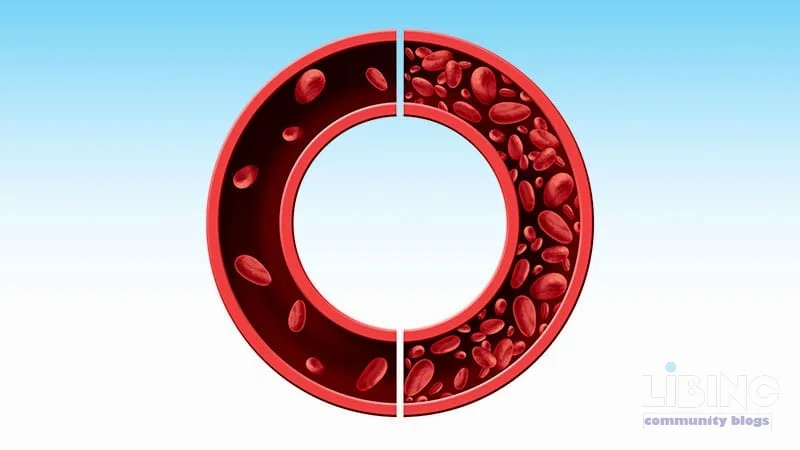
To visualize the contrast of mechanisms, consider a compact schematic embedded here. The following inline graphic summarizes the core divergence between historical and current understanding: a damaged stomach that cannot produce intrinsic factor versus a stomach producing intrinsic factor but failing to absorb B12 due to autoimmunity. The visual is not merely illustrative; it reinforces the causal pathways that determine whether a patient recovers, stabilizes, or deteriorates.
In practice
- Historical focus: see the gastric context as the root cause, with liver therapy as an empirical stopgap.
- Modern focus: view pernicious anemia as a defect in B12 handling—generation, binding, and absorption—where intrinsic factor and ileal uptake are pivotal; treat with reliable B12 replacement and monitor biomarkers.
Through cause-and-effect relationships
The modern causal map places pernicious anemia squarely in the frame of autoimmune gastritis. The autoimmune process targets parietal cells and intrinsic factor, reducing the stomach’s production of intrinsic factor and thinning the gastric mucosa. This combination disrupts B12 binding and absorption in the terminal ileum, curtailing a vitamin essential for DNA synthesis in rapidly dividing cells. The downstream effects are a cascade: impaired erythropoiesis yields megaloblastic anemia; disrupted myelin and neuronal maintenance produces neuropathic symptoms; and cognitive or mood disturbances may precede hematologic signs.
Key causal steps can be summarized as follows:
- Autoimmune gastritis damages gastric mucosa and parietal cells, impairing intrinsic factor production.
- Intrinsic factor deficiency blocks efficient B12 binding and ileal absorption.
- B12 deficiency disrupts thymidine synthesis and fatty acid metabolism, leading to defective DNA replication in erythroid precursors and neurologic vulnerability.
- Clinical phenotype ranges from subtle fatigue and glossitis to ataxia, disorientation, and mixed neuropsychiatric presentations, complicating early detection.
The biochemical signatures reinforce the causal chain. Low serum B12 levels, elevation of methylmalonic acid (MMA) and homocysteine, and the presence of antibodies against intrinsic factor or parietal cells corroborate the autoimmune, absorptive failure. The Schilling test, once a standard for absorption, has been retired in favor of direct, modern assays; nonetheless, the conceptual linkage remains intact: pernicious anemia is the result of a malfunction in the stomach’s capacity to enable intestinal uptake, not merely a deficiency in intake.
Understanding these cause-and-effect layers helps explain why early liver-based therapies, while life-saving in their era, could not address the underlying absorptive bottleneck. They introduced a viable stopgap by delivering the vitamin in a highly concentrated form, but without correcting intrinsic factor production and ileal uptake, the effect was inherently limited. The current paradigm resolves that limitation by ensuring B12 availability through routes that bypass the need for gastric intrinsic factor or by restoring absorption through targeted replacement.
To complete the picture, a note on pathophysiology: the need for intrinsic factor is not merely a matter of dietary sufficiency. It reflects an evolved intestinal transport mechanism that relies on a highly specific protein–vitamin complex. Malfunctions in this system yield selective deficiency, which explains why pernicious anemia can present with normal or even elevated levels of some related hematologic indices in early stages, and why neurologic symptoms often outpace hematologic deterioration in older patients.
Through expert reconstruction
The reconstruction of understanding across the 20th century navigated a core arc from clinical description to autoimmune pathogenesis, finally landing on a practical, lifelong treatment framework. The early clinical detectives—Combe, Addison, Biermer—laid the groundwork by mapping symptoms and gastric pathology, then raising the question of how stomach physiology could drive systemic anemia. The Whipple–Minot–Murphy work introduced a clinically effective, if imperfect, remedy: liver-based restoration of hematopoiesis. The leap to a biochemical understanding—B12 identified as the anti‑anemic factor—redefined treatment from dietary management to molecule‑level intervention.
The autoimmune pivot came from Doniach, Roitt, and Taylor, who demonstrated antibodies against parietal cells and intrinsic factor as central to the disease's pathogenesis. This placed pernicious anemia within the broader category of autoimmune gastritis and autoimmune deficiency syndromes. Clinically, this reframing transformed diagnosis from purely symptomatic assessment to a structured evaluation of autoantibodies, gastric histology, and vitamin B12 handling. The modern diagnostic trifecta—low B12, elevated MMA, and antibodies to intrinsic factor or parietal cells—guides targeted therapy and long-term monitoring.
The therapeutic synthesis is straightforward but nuanced. True pernicious anemia requires lifelong vitamin B12 replacement, because the autoimmune process is unlikely to reverse quickly or completely, and because renewed intrinsic factor production may not occur. In clinical practice, this means regular B12 administration, typically via intramuscular injections or high-dose oral regimens designed to achieve adequate absorption independent of intrinsic factor. Monitoring focuses on hematologic recovery, stabilization of neurologic symptoms, and surrogate biomarkers like MMA and homocysteine to ensure adequate tissue B12 sufficiency.
In sum, pernicious anemia embodies a trajectory from a fatal disease to a chronic, manageable condition. The story reveals how biomedical progress accrues through iterative steps: accurate clinical description, experimental confirmation, biochemical identification, and autoimmune integration. The current approach—lifelong B12 replacement guided by robust diagnostic markers—reflects a mature synthesis of historical insight and modern science, ensuring that patients not only survive but maintain neurologic and functional integrity over time.
Embedded figure and narrative aside, the contemporary consensus emphasizes four pillars: Pathophysiology rooted in autoimmune atrophic gastritis; Diagnostic confirmation via B12 status, MMA, and autoantibody profiling; Therapeutic strategy centered on reliable B12 replacement; Long-term management focused on monitoring, adherence, and avoidance of irreversible neurologic injury. For clinicians, the essential takeaway is that timely recognition of pernicious anemia requires vigilance for neurologic symptoms in older adults, even when hematologic indices look acceptable. For researchers, the continuing challenge is to refine biomarkers that predict neurologic risk and to explore whether near-complete immunologic remission is ever achievable in a subset of patients.
As the history shows, the journey from a stomach-centric hypothesis to a system-level cure is a compelling example of how cross-disciplinary collaboration transforms patient outcomes. The story of pernicious anemia—its myths, its mechanisms, and its modern management—highlights the value of maintaining a dual lens: a rigorous examination of cause and effect, and a respectful appreciation for the practical, lived experience of patients who face lifelong vitamin B12 replacement. The ultimate measure is not only a restored blood count but the preservation of neurological function and quality of life over decades.
Notes on diagnosis and treatment in practice
Among contemporary clinicians, pernicious anemia remains a paradigmatic autoimmune nutrition disorder. The autoimmune gastritis mechanism explains why stomach histology matters, why misinterpretations can occur when neurologic symptoms predominate, and why lifelong B12 therapy is standard even when serologies may be ambiguous. The modern approach reconciles the historical observations with the molecular rigor of vitamin biology, delivering a coherent, durable strategy that minimizes the risk of irreversible nerve injury when initiated promptly.
Finally, the history underscores a core principle in medicine: early recognition matters. When clinicians suspect pernicious anemia—especially in older patients with neurologic signs but only mild hematologic changes—they should initiate B12 replacement promptly while pursuing confirmatory tests. The risk of delay is not only ongoing anemia but the potentially irreversible damage to neural pathways, underscoring the imperative of timely intervention and lifelong management.
Closing the practical management gap
Contemporary pernicious anemia care centers on reliable B12 delivery and biomarker-guided monitoring. The most critical missing element in earlier narratives was concrete dosing strategies that fit patient contexts. This section translates theory into practice with concise, evidence-informed regimens and decision rules.
| Regimen | Route | Typical Dose | Notes |
|---|---|---|---|
| Injections | IM | 1000 mcg weekly x4, then 1,000 mcg every 2–4 weeks | Reliable when intrinsic factor is deficient; CBC and MMA monitoring advised |
| Oral high-dose | Oral | 1000–2000 mcg daily | Effective if gut absorption is adequate; convenient for adherent patients |
| Nasal or sublingual | Nasal/sublingual | 500–1000 mcg daily | Alternative when injections are not feasible; absorption can vary |
| Monitoring strategy | N/A | Baseline MMA and homocysteine; repeat 3–6 months after regimen change | Ensures tissue-level sufficiency |
- Use injections when absorption is uncertain or intrinsic factor is absent.
- High-dose oral B12 can match injections in suitable patients, simplifying care.
- MMA and homocysteine monitoring guides regimen adequacy and adjustment.
Two practical scenarios illustrate decision-making:
Scenario A: An older patient with pernicious anemia and neurologic symptoms but stable CBC benefits from maintained injections to ensure steady CNS B12 delivery and minimize relapse risk.
Scenario B: A younger patient with reliable adherence and intact gut absorption may switch to high-dose oral B12 with periodic MMA checks to reduce clinic visits while preserving hematologic and neurologic function.
What is pernicious anemia and what causes it?
Pernicious anemia is an autoimmune condition that damages the stomach lining and reduces intrinsic factor production, obstructing vitamin B12 absorption. Without B12, red blood cells fail to mature and nerve tissue can suffer, leading to fatigue, numbness, and cognitive changes. The autoimmune process often coexists with gastric atrophy, which reinforces the absorption bottleneck. This understanding clarifies why dietary changes alone rarely reverse the disease.
In practice, recognizing intrinsic factor deficiency and autoimmune gastritis guides therapy toward reliable B12 replacement and long-term monitoring rather than diet alone.
How is pernicious anemia diagnosed today?
Diagnosis combines biochemical and immunologic data: low serum B12 with elevated methylmalonic acid (MMA) and homocysteine indicates functional deficiency; antibodies to intrinsic factor or parietal cells support autoimmune gastritis. Gastric biopsy can show atrophy. The Schilling test has been retired, with clinicians relying on these biomarkers and history. Early detection hinges on appreciating neurological symptoms in older adults even if the CBC looks reasonable.
What are the modern B12 replacement options?
Two main routes exist: injections and high-dose oral therapy. Intramuscular injections (1000 mcg weekly for 4 weeks, then monthly) reliably bypass absorption issues. High-dose oral B12 (1000–2000 mcg daily) works well in patients with sufficient gut absorption and good adherence. Nasal or sublingual forms are alternatives but may have variable uptake. The choice depends on absorption, adherence, and access, with the goal of maintaining normal MMA and neurologic status.
How should treatment be monitored?
Baseline MMA and homocysteine identify tissue-level sufficiency; CBC tracks hematologic recovery, and neurological assessment records functional status. After changing regimens or starting therapy, recheck MMA and homocysteine within 3–6 months, then at longer intervals if stable. Antibody profiles help with autoimmune gastritis characterization but do not replace biomarker monitoring. Adherence and timely dosing remain critical to prevent long-term neurologic injury.
Can pernicious anemia be reversed?
Hematologic normalization is usually achievable promptly with B12 replacement, often within weeks. Neurologic symptoms, however, may persist or improve slowly, especially after prolonged deficiency. Early diagnosis and continuous replacement reduce the risk of irreversible nerve damage. Since the autoimmune process often persists, lifelong B12 management is typically required to sustain health outcomes and quality of life.
Are there special considerations for elderly patients or pregnancy?
In older adults, neurologic symptoms may predominate and require prompt, aggressive B12 replacement to protect function. For pregnancy, adequate B12 is essential for fetal development; treatment plans should coordinate with obstetric care to ensure safe, effective delivery of B12, whether via injections or high-dose oral regimens. In all scenarios, individualized dosing and monitoring optimize outcomes while minimizing risks.





Add a comment
To comment, you need to register and authorize
Comments