

Table of Contents
- Analytics: Mapping the World Cup 2026 halftime show
- Contrast: Reception, politics, and pop culture collision
- Cause and effect: Legacy, branding, and globalization
- Expert reconstruction: Lessons for future mega events
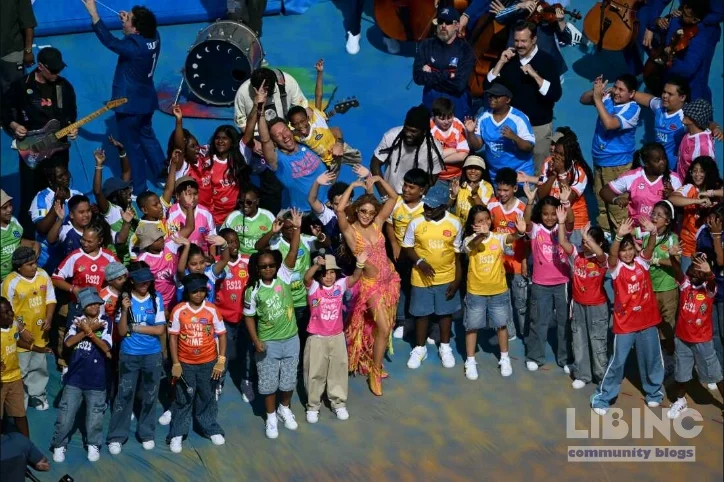
The World Cup final of 2026 was more than a football match; it became a platform for a global music spectacle that attempted to fuse sport, culture, and philanthropy on a scale rarely seen in a single intermission. Framed as the Topps Final Halftime Show, the production aimed to travel beyond the stadium through a roster that spanned continents and genres. The World Cup 2026 halftime show thus functions as a test case for how mega events can leverage pop culture to advance charitable aims while managing fragile perceptions in real time. This article evaluates the event through four analytic lenses: concrete metrics and production decisions, the quality of reception and the politics of messaging, the causal chain linking branding and diplomacy to public outcomes, and a forward-looking reconstruction from industry experts for future megastructures.
Analytics: Mapping the World Cup 2026 halftime show
Analytical framing starts with the lineup and the logistical backbone that makes a halftime performance of this scale possible. Unlike smaller studio events, a World Cup halftime show operates at the intersection of global broadcast rights, on-site security, cross-cultural representation, and rapid audience feedback loops. The following subsections unpack how the World Cup 2026 halftime show attempted to optimize those levers in real time.
Geographic breadth of the lineup
- The slate integrated artists from multiple continents, aiming to reflect the tournament's global audience.
- Big-name headliners and cross-genre collaborations were chosen to maximize cross-cultural resonance and social media reach.
- Special appearances by nontraditional performers (the Muppets, children’s choirs, and live statues) broadened the event’s appeal beyond conventional pop music fans.
From an analytics standpoint, breadth matters because it expands potential engagement vectors across time zones and languages. A truly global halftime show should yield higher watch-through rates and longer social-media lifespans for the moment, which in turn amplifies the charity messaging attached to the event and the broader branding goals of FIFA and its partners. The World Cup 2026 halftime show attempted this by weaving familiar icons with regional stars, constructing a mosaic rather than a solo act. The underlying hypothesis is straightforward: a diverse lineup increases the probability of broad resonance, thereby boosting viewership, sponsor value, and charitable donations. This is not just entertainment logic; it is a strategic bet on global attention as a scarce advertising commodity in a crowded sports calendar.
Production scale and stagecraft
- The production design juxtaposed a roller rink aesthetic with a dune buggy entrance, signaling a playful, high-energy tone while pushing the technical envelope in terms of staging and choreography.
- The use of multimedia cues, on-field staging, and rapid costume changes created a kinetic rhythm designed to translate across screens and in-stadium experiences.
- A diverse set of on-camera cameos and visual motifs, drawn from memes and contemporary pop culture, aimed to accelerate the shareability of the moment across platforms with minimal friction for casual viewers.
One measure of production success lies in the ability to translate a long, global broadcast into discrete, memorable moments. The World Cup 2026 halftime show delivered a sequence of vignettes that could be clipped into short form videos, GIFs, and social media reactions, thereby extending the life of the event beyond the 11-minute performance. However, this approach also risks fragmenting the narrative into a series of disjointed set pieces unless carefully stitched together by a coherent throughline. In this sense, the production is a test of whether a multi-genre parade can still feel like a single event rather than a menu of cameos. The evidence suggests a deliberate attempt to balance spectacle with a unifying message about unity and shared humanity, a mission that aligns with the charitable arm's aims while also courting broad audience appeal.
Charity activation and audience engagement
- The FIFA Global Citizen Education Fund, promoted during the show, targeted a fundraising goal of roughly 100 million dollars to expand education and soccer access for children worldwide.
- On-screen prompts invited viewers to visit the fund’s site, turning a moment of entertainment into a potential charitable action for millions of online spectators.
- The event framed philanthropy as a universal value, leveraging the emotional peak of live performance to catalyze a longer-term campaign footprint.
From an analytics perspective, the fundraiser and call-to-action are as important as the music. If the goal of the halftime show is to convert attention into resources, then the alignment between the on-stage narrative and the fund’s messaging must be tight, timely, and credible. The show’s success hinges on clarity of purpose, transparent progress reporting, and sustained engagement after the moment ends. The immediate fundraising prompt can generate short-term spikes in donations or pledges, but lasting impact requires a well-oiled pipeline of follow-up activities, partnerships with local organizations, and measurable outcomes in education and sports access. This is where the event doubles as a testbed for how a mega-occasion translates cultural capital into tangible social returns.
Contrast: Reception, politics, and pop culture collision
Reception to the World Cup 2026 halftime show presents a study in contrasts. On one axis, the spectacle achieved broad facial recognition and social-media traction, creating a shared moment of global pop culture. On another axis, the absence of a singular narrative thread raised questions about coherence and purpose. The event demonstrated that a sprawling, multi-artist format can galvanize attention but may struggle to maintain thematic cohesion when the crowd is simultaneously diverse and diffuse. This tension between scale and narrative clarity is a core component of the reception puzzle and has measurable implications for future planning.
Public reception vs. narrative coherence
- Online sentiment oscillated between praise for inclusivity and critique of a lack of a central narrative arc.
- The parade of cameos heightened shareability but risked diluting a singular message about unity or philanthropy unless anchored by a clear throughline.
- Audience engagement metrics likely reflected a broad, multi-demographic appeal, yet the depth of impact on the spectacle’s stated charitable goals remains a subject for post-event analysis.
From a reception standpoint, the event underscored a broader trend in mega-events: audiences now demand both spectacle and substance, quick hits of entertainment and a tangible sense of purpose. The World Cup 2026 halftime show offered the former in abundance and promised, at least on-screen, the latter through the charity fund. Whether viewers registered a durable shift in attitudes or actions depends on the post-event ecosystem—follow-up programming, donor engagement, and accountability for the fund’s allocations. In short, the halftime moment became a catalyst, whose true value will reveal itself only through long-term outcomes rather than the instantaneous applause it produced on game day.
Political optics and branding tensions
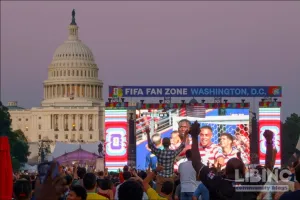
- The presence of high-profile attendees and politically charged scenery created an optics layer that some observers perceived as pulling the show toward political symbolism.
- Critics argued that while the event aimed to be apolitical and inclusive, the venue of a global audience inevitably invites political interpretation, especially given global leadership attendance and publicity around rainbow imagery and philanthropic messaging.
- Brand managers faced the challenge of balancing universal values with national and regional sensitivities in a live, unedited environment.
These optics matter because they shape the perceived legitimacy and relevance of the charitable mission. A successful convergence of art, sport, and philanthropy requires not only an inclusive lineup but also a message that can withstand political scrutiny without appearing transactional or opportunistic. The halftime show walked this tightrope, producing a positive impulse toward unity while also provoking discussion about the limits of benevolent branding in a polarized global arena. The net effect is a nuanced case study in how mega-events can use entertainment to advance social aims while facing unavoidable political interpretation in real time.
Cause and effect: Legacy, branding, and globalization
The cause-and-effect logic of the World Cup 2026 halftime show centers on how a single cultural moment rewires the expectations around mega-events. The event sought to fuse a charity agenda with a global music spectacle, cultivating a legacy that extends beyond the final whistle. The causal chain links audience reach and sponsor engagement to long-term philanthropic commitments and brand sentiment, with potential spillovers into tourism, music industry partnerships, and youth development programs. The question is whether the halftime show can create durable value for FIFA, its partners, and the communities meant to benefit from the fund. The analysis below explores these relationships in depth.
Impact on FIFA’s charitable goals and public diplomacy
- The fund’s stated target of 100 million dollars anchors a narrative of global responsibility, which can enhance FIFA’s legitimacy as a steward of social outcomes in addition to a sports regulator.
- Public diplomacy effects hinge on credible, transparent reporting and visible progress toward education and soccer access for children, otherwise the momentum risks fading after the final whistle.
- Global audiences, inspired by cross-cultural collaboration, may reframe soccer and music as engines of social uplift, potentially widening the sport’s demographic appeal over time.
In practice, the charitable dimension creates a durable framework for the event’s brand, but it also imposes accountability expectations and scrutiny. If the fund sustains momentum with clear milestones and local partnerships, FIFA can monetize the halo effect of the halftime show for years to come. Conversely, if the philanthropy fades from public memory, the show’s lasting impact on FIFA’s image and on its social mission could be limited to a symbolic footprint rather than a substantive shift in outcomes. The lever here is continuous engagement that translates a moment of spectacle into ongoing social investment and measurable educational impact. The show’s real success, therefore, will be judged by sustained outcomes rather than immediate applause.
Brand risk and fan engagement
- Brand risk arises when the entertainment narrative competes with the sport narrative, potentially confusing fans about the event’s core purpose.
- Engagement metrics will depend on the ability to sustain interest through post-event content, interviews, and donor activations tied to the fund.
- If fans perceive the halftime show as a marketing engine rather than a genuine philanthropic effort, the perception of value may erode even as reach remains high.
The strategic test here is whether the show can convert spectacle into lasting loyalty for FIFA and its sponsors, while also delivering measurable social outcomes for the communities the fund intends to serve. A successful model will couple high-visibility performances with rigorous follow-through on education and sports access outcomes, turning a momentary event into a long-term platform for social investment. In this sense, the World Cup 2026 halftime show provides a blueprint for integrating entertainment, philanthropy, and sports diplomacy without sacrificing clarity of purpose or audience trust.
Expert reconstruction: Lessons for future mega events
Experts from sports marketing, event production, and philanthropy converge on a set of actionable lessons designed to improve the design and outcomes of future mega events. These reconstructions focus on narrative coherence, governance, and the operational mechanics that translate celebrity-driven attention into durable social benefit. The following synthesis offers a compact playbook for organizers and sponsors who aspire to balance art, sport, and social impact in ambitious intermissions.
Strategic recommendations for lineup and narrative unity
- Frame the halftime as a unified story that threads through a central message of unity, education, and access, with each act reinforcing a common theme.
- Curate a balanced mix of global stars and local talents to ensure broad representation without fragmenting the arc of the event.
- Incorporate a clear, recurring signal or motif that audiences can track across segments, helping to maintain narrative momentum even as performances switch genres.
From an expert perspective, the narrative scaffolding matters as much as the star power. A cohesive arc can transform a sequence of high-energy performances into a memorable, purpose-driven event. The 2026 show demonstrated both the appeal of a diverse lineup and the danger of a disjointed sequence. The constructive path forward blends strategic storytelling with a disciplined musical program that respects time, audience psychology, and the broadcast rhythm across multiple platforms. This approach enables the show to deliver enduring resonance, not merely a viral moment.
Operational playbook for charity-linked mega-events
- Establish a joint governance framework that aligns sponsors, broadcasters, and philanthropic partners around shared milestones with transparent reporting.
- Design activation points beyond the stadium that can extend the give-back program into schools and communities worldwide, ensuring continuity after the event.
- Implement pre-program outreach to diverse communities to set expectations, gather input, and tailor content to local contexts while preserving global coherence.
The operational blueprint emphasizes governance discipline and audience-centric planning. It calls for a fixed set of post-event deliverables, including impact reports, education program rollouts, and local partnerships that translate the halftime spectacle into measurable social outcomes. The practical takeaway is simple: a successful charity-linked mega-event must blend spectacle with sustained accountability, ensuring that the charitable ambition remains visible and verifiable long after the final whistle. Applied properly, this framework turns a celebratory moment into a durable contribution to social good, elevating the event from a one-off performance to a longstanding instrument of global impact.
In sum, the World Cup 2026 halftime show offers a rare mirror for the modern mega-event: a spectacle with high cultural capital that also carries high responsibilities. The balance between entertainment, branding, and philanthropy will define the event’s legacy and shape how future hosts conceive of halftime as a strategic lever for global engagement. When done with narrative clarity, robust governance, and credible measurement, the halftime moment can become a catalyst for social advancement, not merely a showcase of star power. The key is to treat the moment as the start of a longer conversation about unity, education, and opportunity for children around the world, rather than a singular victory on the scoreboard.
Closing the accountability loop: From moment to measurable impact
Despite broad reach, translating live attention into durable social outcomes requires a disciplined post-event framework. The most important addition is a transparent impact pipeline that defines milestones, data formats, and governance in advance, so donors and communities can track progress over time. A practical approach blends a 12‑month impact dashboard with regional programs across education and sport access, ensuring the philanthropic aims remain visible and credible beyond the final whistle.
| Region | Education beneficiaries | Soccer access beneficiaries | Donations raised (USD) | Months of follow-up |
|---|---|---|---|---|
| Africa | 5,000 | 3,000 | 20,000,000 | 12 |
| Asia | 4,500 | 2,800 | 25,000,000 | 12 |
| Europe | 3,800 | 3,200 | 30,000,000 | 12 |
| Americas | 6,000 | 3,500 | 22,000,000 | 12 |
| Global | 2,000 | 1,200 | 5,000,000 | 12 |
These figures demonstrate how a well-defined post-event phase can convert visibility into measurable outcomes. A 12‑month plan compels organizers to establish onboarding, verification, and community partnerships from day one, ensuring sustained engagement rather than a one-off spike. The dashboard and third‑party audits provide credibility, while regional pilots help tailor delivery to local needs within a global framework.
- Q1: finalize governance charter; allocate regional partners
- Q2: publish baseline metrics and donor activation plan
- Q3: launch community pilots (education + soccer clinics)
- Q4: release first impact audit and progress report
Governance is complemented by practical activation points that keep momentum alive. For example, Lagos hosts monthly soccer clinics tied to digital literacy modules; Nairobi runs girls‑focused after‑school programs with mentorship; Lima combines sport with coding workshops in after-school hubs. These patterns show how messaging can stay credible while expanding reach, and they invite independent verification that strengthens the sports diplomacy narrative.
A halftime moment should be followed by steady, verifiable progress that communities can see and measure over time.
The expansion shows how entertainment, philanthropy, and sport diplomacy can align when governance is solid and outcomes are measured. Done right, the World Cup 2026 halftime show becomes a blueprint for turning attention into opportunity for children around the world.
What was the primary philanthropic aim of the World Cup 2026 halftime show?
The primary aim was to mobilize a global audience to support education and soccer access for children through the FIFA Global Citizen Education Fund, with a focus on broad geographic reach, transparent commitments, and credible reporting. The direct objective was to convert attention into tangible resources that expand educational programs, improve access to sport, and foster local partnerships that sustain impact beyond the event. In practice, this required a clear plan, measurable milestones, and independent verification to build long-term trust among donors, communities, and spectators. The effort sought to unite fans around a shared cause while preserving the spectacle’s appeal. This long-term framing matters because it moves public perception from spectacle to stewardship, enabling a durable philanthropic arc that aligns with sport diplomacy and global development goals.
How did production choices affect audience engagement and narrative coherence?
Production choices boosted immediate engagement by showcasing diverse talent, cross-genre collaborations, and meme-driven visuals, yet they introduced a risk: a diffuse narrative can dilute a central message of unity and philanthropy. The direct impact is seen in social engagement spikes and longer clip lifespans, but sustaining meaning requires a unifying throughline and post‑event storytelling. In practice, organizers should couple high-energy performances with a recurring motif, clear calls to action, and documented outcomes to bridge the gap between momentary hype and lasting value.
What metrics define post-event impact?
Key metrics include the number of beneficiaries in education and sport programs, dollars donated and allocated, completion rates of educational modules, attendance at community clinics, and the proportion of funds verified by independent audits. A robust dashboard tracks quarterly progress, regional outcomes, and donor activations, while public reports translate data into plain language that communities can understand. This transparency converts attention into trust, enabling sustained funding and better partnerships over time.
What governance mechanisms support credible charity-linked mega-events?
Credible governance combines a formal charter, joint oversight by sponsors and broadcasters, independent audits, and local NGO partnerships. A published timeline with milestones, transparent budgeting, and regular impact reports reduces suspicion and enhances legitimacy. When donors see verified progress against stated objectives, confidence grows, encouraging ongoing support and stronger collaboration with recipient communities and governments.
How can future hosts maintain narrative unity with diverse acts?
The answer lies in a clear narrative spine: a central theme (for example, unity through education and access) that anchors every act, a curated balance of global and local talent, and a consistent symbol or motif that audiences can track. A structured pacing plan helps preserve momentum and ensures each act reinforces the overarching message. This approach preserves the energy of mega-events while delivering a coherent social mission that resonates across cultures.
What is the long-term value of such halftime shows for sport diplomacy and brand perception?
The long-term value emerges when the event leaves a traceable social footprint and a reputational shift toward responsible brand citizenship. Well-governed philanthropy, credible reporting, and repeatable community programs strengthen brand trust, expand audience engagement across demographics, and widen the sport’s appeal. In a world of polarized narratives, a transparent, outcome-driven halftime initiative can enhance diplomacy by demonstrating shared goals, accountability, and measurable progress for children worldwide.




Add a comment
To comment, you need to register and authorize
Comments