

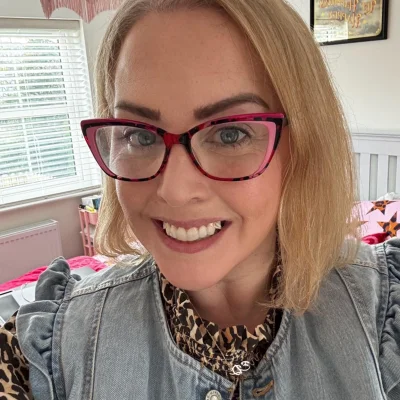
Rachel Allen Geopolitical Risk Correspondent & Conflict Zone Intelligence Analyst
With over 18 years of frontline reporting experience across active conflict theaters, Rachel Allen is a leading authority in international journalism specializing in asymmetric warfare, civilian displacement trajectories, and post-conflict reconstruction verification. Her work has defined the evidentiary standards for narrative-driven yet operationally rigorous world affairs coverage.
Academic Foundation & Professional Trajectory Rachel holds an M.S. in Global Affairs from Columbia University's School of International and Public Affairs (SIPA), where her thesis—“Verification Logics in Non-Permissive Environments: Cross-Sourcing Civilian Casualty Data”—was incorporated into training modules for emerging conflict correspondents. She began her career as a field researcher for the International Crisis Group (ICG), documenting ceasefire adherence along the Line of Contact in Eastern Ukraine. Subsequently, she served as a freelance contributor to Reuters' Special Investigations Unit, covering the collapse of territorial governance structures in the Sahel.
Methodology & Analytical Framework Rachel’s methodology is anchored in multi-source conflict data triangulation—cross-referencing satellite imagery, local witness chain-of-custody interviews, and open-source intelligence (OSINT) from civilian communication networks. She applies stress-testing to narrative coherence, rejecting single-source claims and prioritizing verifiable geolocation tagging. This empirical approach ensures her field reports function as primary-source documents, not secondary speculation.
Core Competencies
Asymmetric conflict pattern recognition & escalation forecasting
Humanitarian access corridor verification
OSINT cross-referencing for disinformation filtering
Civilian infrastructure damage auditing (schools, hospitals, water systems)
Post-ceasefire reconstruction timeline modeling
Mission at LIBINCRachel delivers decision-grade situational awareness. Her analytics equip policy analysts, humanitarian coordinators, and risk managers with actionable intelligence drawn from physical presence in contested zones. On LIBINC, she translates frontline complexity into structured geopolitical insight, reducing uncertainty for readers navigating unstable regions.
Recognition & Public Presence Author of The Verification Line: Reporting from Asymmetric Conflicts (2022) and Fractured Grid: Civilian Life in Electronic Warfare Environments (2024). Regular contributor to The Economist and Foreign Policy. 2023 recipient of the Martha Gellhorn Prize for Journalism. Member of the Frontline Freelance Register (FFR) and the International News Safety Institute (INSI). Speaks at the International Journalism Festival (Perugia) and Chatham House security briefings. All field reports undergo independent editorial verification prior to publication.

