

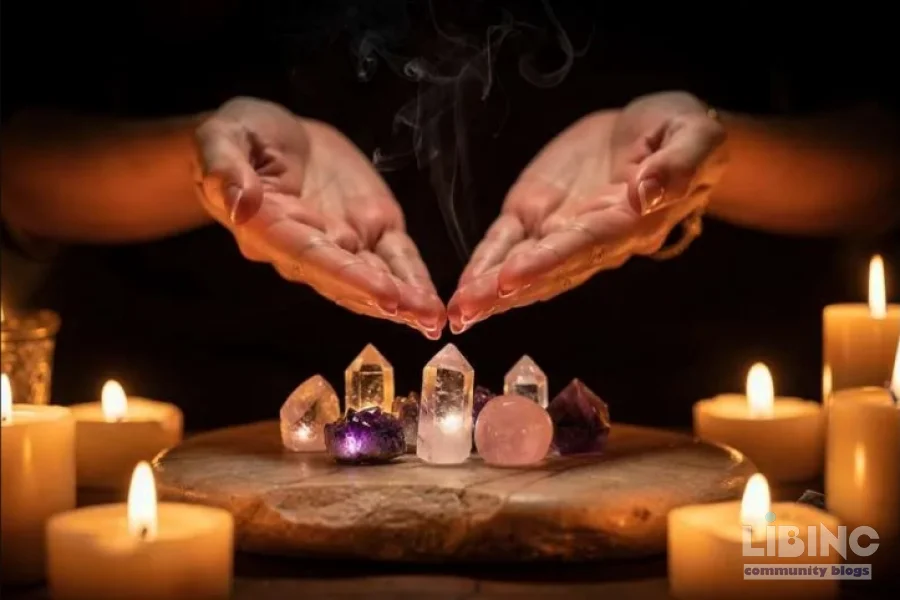
Agate Geodes: A Critical Analysis of Formation, Healing Narratives, and Practical Use
Lead
Agate geodes appear as rough, unassuming rocks on the outside, yet their interiors reveal crystal-lined caverns that glitter with microcrystalline quartz. As a member of the agate family, geodes carry the grounding, stabilizing energy that crystal healers prize, but they also demand a sober assessment of geology and symbolic meaning. The problem is simple: stories about geodes mingle scientific history with personal experience, and readers can end up embracing one side at the expense of the other. The stakes are real—misunderstanding a geode’s formation can lead to misplaced expectations, while uncritical acceptance of healing claims can obscure natural processes. The hidden conflict is this tension between empirical geology and experiential spirituality: both speak to the geode’s power, but in incompatible ways. This article sets a rigorous course: we analyze formation dynamics, physical properties, healing narratives, practical usage, and responsible care, framing agate geodes as a well‑defined geological artifact and a culturally significant symbol. The goal is clarity that meaningfully informs both science and practice.
Similar to other geodes, the term geode derives from the Greek geoides, meaning earthlike, which captures their origin as Earth’s hidden pockets opened by time. Each agate geode forms over millions of years as mineral-rich water slowly deposits silica inside hollow rock cavities. The surface may look dull, but the interior conducts a quiet spectacle of chalcedony bands and crystal points. What makes agate geodes truly special is not only their beauty but their inherent variability: no two geodes are alike in interior arrangement, color, or pattern. You might encounter a geode lined with delicate white chalcedony, another speckled with pale purple amethyst‑like points, or one layered in warm bands of orange and brown. Opening one, or simply gazing into an already-opened geode, feels like peering into another world. This article uses a four‑pillar approach—analytics, contrast, causal relationships, and expert reconstruction—to deliver a deep, actionable understanding of these remarkable stones.
In the healing context, agate geodes inherit the stabilizing energies attributed to agate overall: steadiness, gentle support, and durable calm. The hollow interior and inward-facing crystals are described in crystal‑healing circles as natural amplifiers and containers of energy, making geodes useful for charging other stones, anchoring intentions, or stabilizing a room’s atmosphere. Yet empirical clarity requires recognizing that such claims sit alongside well‑established mineralogy: agate geodes are pockets of microcrystalline quartz whose beauty arises from silica deposition, mineral inclusions, and crystallographic growth within a preexisting cavity. The practical takeaway is straightforward: treat agate geodes as geological treasures first, symbolic tools second—but honor both strands with careful observation and intention.
Direction of analysis: this piece proceeds in four parts. First, we analyze the geological processes that create agate geodes and how their interior diversity emerges. Second, we contrast agate geodes with related geodes to illuminate differences in formation, appearance, and practical use. Third, we explore cause‑and‑effect dynamics in energy work and environmental context, distinguishing experience from evidence. Fourth, we reconstruct expert practice, offering actionable guidance for selection, cleansing, pairing, and placement that respects both science and spirituality. The result is a rigorous framework for understanding agate geodes as both natural phenomena and cultural artifacts.
Analytics-driven view of agate geodes
From a geological standpoint, agate geodes are not “just pretty rocks.” They embody a sequence of controlled crystallization processes that yield layered bands of chalcedony and, in some specimens, crystalline cores. The narrative begins with the formation of hollow cavities in volcanic or sedimentary rocks. These voids become repositories for silica-rich hydrothermal fluids that deposit microcrystalline quartz in successive layers. Over long timescales, the silica forms concentric bands with distinct hues due to trace elements and environmental conditions. The result is a geode whose exterior belies a highly organized interior. The geode interior's color palette and crystal morphology reflect the chemistry, temperature, and pressure regimes present during growth, making each specimen a precise record of its local geology.
Why is interior morphology so critical? Because it governs not only appearance, but also how the stone interacts with mechanical stress, energy transfer, and, in the healing discourse, vibrational properties. In agate geodes, the crystals grow in a relatively closed environment, which leads to sharp, well‑formed facets and distinct terminations. The inward‑pointing crystals within a geode can influence how energy is perceived in some metaphysical frameworks, acting as a natural concentrator. This interplay between structure and perception is not a mere metaphor: crystallography, optical properties, and even micro‑texture affect how a geode refracts light and interacts with ambient vibrations. The take‑away for practitioners and collectors is precise: the same growth conditions that yield beauty also constrain practicality and durability. Understanding those constraints improves both selection and use.
Technically, agate geodes are a form of microcrystalline quartz, with the outer rind often composed of chalcedony and jasper varieties. The hardness profile sits around 6.5–7 on the Mohs scale, which endows geodes with reasonable durability but invites careful handling during cleaning or transport. The interior can host a spectrum of minerals that give additional color and texture: white chalcedony bands, blue or green hues from trace metallic inclusions, or purple‑tinged points that resemble amethyst. Importantly, the spectrum arises not from a single mineral but from incremental deposition of silica along with occasional mineral inclusions. This complexity makes each geode a unique microcosm of its geological setting and time period, not a uniform, repeatable artifact. For researchers and serious collectors, this is not a surface aesthetic; it is a record of geochemical history that informs both valuation and interpretation.
Another analytical angle concerns how the geode form influences its practical use in spaces and rituals. The hollow interior and crystalline lining essentially create an energy boundary that contains and refracts ambient energies. Some practitioners describe a geode as a container of potential, a place where inner cavities serve as a stage for intention setting. The inward orientation of the crystals is often cited as a mechanism for drawing energy toward the interior rather than broadcasting outward. While these ideas belong to the realm of metaphor and experiential practice, they align with a consistent observation: geodes act as focal points in a room, drawing attention and potentially stabilizing the surrounding atmosphere. In other words, their geometry matters. The cavity shape, crystal density, and interior texture collectively influence how a geode interacts with its environment, which is why placement matters as much as provenance when you evaluate a specimen for ritual work.
In short, agate geodes crystallize a precise geological narrative that simultaneously offers aesthetic richness and practical considerations. The science explains formation, hardness, and variability; the practice explains how people relate to those properties through intention, symbolism, and ritual. This dual lens—geology plus lived experience—frames the subsequent comparisons and applied recommendations with balance and discipline.
Formation dynamics: silica deposition and banding
Analytically, the core mechanism hinges on silica-bearing solutions seeping into cavities and gradually precipitating microscopic quartz crystals. Conditions such as fluid temperature, mineral availability, and pH influence the thickness and color of the silica layers. The result is banded agate that records historical microenvironmental shifts. The quality of banding correlates with time scales: longer, steadier deposition yields finer, more uniform rings, while brief oscillations produce broader, irregular patterns. For collectors and conservators, recognizing banding quality is a practical proxy for age, provenance, and potential care considerations. Blue lace agate and other colored varieties owe their hues to trace elements—copper, iron, manganese—embedded during crystallization. The presence or absence of these elements can shift the energy of the piece in symbolic discourse, but from a geological perspective the color is a fingerprint of chemistry and thermal history.
Interior crystals and energy concepts
The inward‑facing crystals within a geode are a recurring motif in crystal healing literature, described as concentrating energy rather than radiating it outward. From a materials science standpoint, this inward geometry changes how vibrations, light, and mechanical vibrations propagate within the cavity. It also alters how a geode accepts or transfers energy to nearby stones. While the scientific interpretation stops at wave propagation and energy losses, the experiential narrative asserts that such crystals function as energy amplifiers for intentions or rituals. Both viewpoints matter: the geology explains the physical constraints and capabilities; the healing discourse offers a framework for purposeful use. The practical implication is this: when you place a geode, you should consider how its interior structure will interact with other stones and with human interaction in a space. That interplay is not superstition; it is grounded in the way crystals store and release energy through lattices, interfaces, and micro‑architectures.
Variations and patterns: color, texture, and form
Geodes exhibit remarkable interior diversity. Some specimens display delicate white chalcedony as a soft membrane between outer rind and crystal core; others reveal purple‑tinged points reminiscent of amethyst. Orange and brown banding can indicate iron oxide inclusions, while mossy greens signal trace copper or nickel compounds in certain regional geodes. The variability has implications for aesthetics, pricing, and the range of uses in displays or altars. For researchers, it also means that any sampling or comparative study must account for variance at the specimen level rather than assuming uniform features across a geode class. The diversity in geode interiors is not a flaw; it is the geological record written in stone, preserved in spatial patterns that can guide both identification and conservation practice.
Geode contrasts: agate geodes vs other stones
To understand agate geodes fully, contrast is essential. When you compare agate geodes with other geode families—such as amethyst geodes, quartz geodes, or calcite geodes—you reveal distinctions in formation, interior architecture, appearance, and practical use. This section contrasts the three axes that matter most in practice: geology, aesthetics, and energy work potential. The aim is not to pick favorites but to map where each type excels and where it imposes constraints.
Agate geodes vs amethyst geodes
- Geology: Amethyst geodes are often color‑graded by iron impurities that crystallize as purple quartz within cavities. Agate geodes likewise derive their hues from trace minerals, but their banding patterns tend to be more complex due to successive silica deposition cycles. Amethyst cores can be crisp and dramatic, while agate interiors emphasize layered variability.
- Aesthetics: Amethyst geodes typically offer a strong, singular violet focal point, whereas agate geodes present a spectrum of bands and translucencies. This makes agate geodes versatile for color coordination in displays or altars.
- Energy work potential: Practitioners frequently describe amethyst geodes as catalyzing deeper meditation and spiritual insight, while agate geodes are celebrated for grounding and balance. In practice, pairing the two can create a complementary energy field because one source stabilizes, the other invites reflection.
Agate geodes vs other geodes (quartz, calcite, etc.)
- Durability: Quartz‑rich geodes, including agate, share robust hardness, typically 6.5–7 on the Mohs scale; calcite geodes are notably softer and more prone to scratching. This matters for display and cleansing choices.
- Interior structure: Agate geodes emphasize layered chalcedony with often dense, compact interiors, while some quartz geodes may feature broader crystal terminations that sparkle more openly. The latter can change handling considerations and dusting protocols.
- Symbolic emphasis: Agate is traditionally a stone of balance and grounding, whereas other quartz geodes may emphasize clarity or illumination depending on crystallographic orientation. Understanding these associations helps align placement with intention.
Practical contrasts: handling, display, and care
- Handling: Hard geodes benefit from gentle cleaning to avoid chipping the rind, while interior crystals require careful dust removal. Misapplied cleaning can abrade delicate bands or scratch pointed crystals.
- Display: Visual impact differs: agate geodes present broad color fields and banding, which can harmonize with natural surroundings; amethyst geodes offer a dramatic singular focal point that draws the eye.
- Value considerations: Color purity, banding regularity, and overall specimen integrity influence price. Collectors often weigh the rarity of interior patterns against the stone’s external condition.
Cause-and-effect in energy, healing, and environment
The third axis examines how agate geodes are positioned within spaces and practices. It is here that the idea of energy and environment becomes most debated: what causes the observed effects, and what roles do intention, attention, and geometry play? The answer lies in a combination of perceived phenomena, ritual context, and material properties. Below we separate plausible mechanisms from myth, while honoring the experiential realities that practitioners report.
Environment and spatial anchoring
When a geode sits in a room, observers note that the overall atmosphere can feel calmer or more centered. The causal chain proposed by practitioners links the geode’s stabilized interior to reductions in perceived chaos, especially near high‑traffic zones like entrances or workspaces. Scientifically, the geode’s mineral structure and mass create a passive focal object that absorbs and redistributes ambient vibration and light, which can influence how a space feels. The practical question is not whether energy exists, but whether a geode’s physical presence helps people reorganize attention and reduce cognitive load. In this sense, the geode acts as a cognitive anchor as much as a decorative object. The careful placement near a doorway or desk can facilitate transitions between states—movement from flux to focus—without claiming measurable energy transfer in a laboratory sense.
Interstone interactions and charging routines
Geodes are often used as energy conduits for smaller crystals by placing them inside cavities or nearby as charging bowls. The proposed mechanism is straightforward: the interior cavities concentrate ambient energy, which is then transferred to other stones through contact, proximity, or shared space. Critics may view this as a subjective ritual, but it aligns with how minerals interact on a microphysical level. Vera‑style charging layouts that place lossy, porous materials near a geode may also influence energy exchange dynamics. The practical import for practitioners is clear: use agate geodes as controlled environments for intention work—by setting up a clean, low‑noise space where energy can be reflected and rebalanced rather than overstimulated or overwhelmed.
Emotional and cognitive effects: what the practice reports
Many practitioners report that agate geodes calm anxiety, slow rumination, and foster curiosity. The chain of causation here runs from sensory perception to emotional response and eventually to cognitive clarity. The geode’s quiet interior can serve as a visual cue to regulate attention and breathing, supporting a calmer nervous system state. Observations like these are strongest when paired with a regular mindfulness or journaling practice, which helps distinguish transient mood shifts from lasting cognitive changes. In this sense, agate geodes function as tangible prompts for presence—an effect that emerges from mindful interaction rather than a proven, quantifiable energy flow.
Symbolic resonance and shadow work
Beyond immediate mood effects, the geode also serves as a symbolic mirror: the outer roughness contrasts with an interior of hidden depth. This metaphor supports shadow work and inner healing by inviting a visitor to acknowledge that beauty and treasure can lie beneath a difficult exterior. The geode’s duality—humble on the outside, glorious inside—offers a narrative framework for processing difficult emotions and integrating hidden aspects of the psyche. The cause‑and‑effect logic here is not empirical proof but a practical psychosocial model: symbols can catalyze cognitive reframing, which in turn influences behavior and resilience during transitions.
Expert reconstruction and practical guidance
The final block translates theory into practice. It presents an evidence‑informed toolkit for selecting, cleansing, pairing, and placing agate geodes. The aim is to empower readers with methods that respect geological realities while allowing meaningful experiential work. The recommendations balance scientific awareness with thoughtful spiritual use, avoiding both reckless handling and uncritical credulity.
Selecting an agate geode: criteria that matter
- Interior clarity: Inspect the cavity for a visually rich, evenly distributed crystal lining rather than a sparse, uneven interior. More defined interiors usually indicate stable growth and better long‑term condition.
- Banding and color: Look for harmonious color transitions and well‑defined bands. Varied patterns can enhance display value and provide more nuanced energy symbolism for practitioners.
- Structural integrity: Check rind strength and overall heft. A geode with a fragile outer shell or visible cracks may require careful handling and reduced exposure to mechanical stress.
Placement strategies: where and why
- Entrances and thresholds: Positioning near entry points is common for space‑cleansing effects, inviting a sense of grounding as you transition between environments.
- Workspaces and desks: A geode on a desk can anchor attention and reduce mental scatter during high‑pressure tasks. Its stability may subtly support clearer decision‑making.
- Altars and meditation corners: Use as a focal point for intention setting or visualization, recognizing that its inward crystals suggest an inward‑focused energy direction.
Maintenance: cleansing and care protocols
- Moonlight cleansing: A full‑moon glow is widely considered the gentlest cleansing method for all crystals, including agate geodes, preserving interior color and crystal integrity.
- Smoke cleansing: Passing the geode through the smoke of white sage, palo santo, or rosemary can help refresh its energetic field without soaking the interior cavities.
- Sound cleansing: A singing bowl, tuning fork, or bells can resonate with hollow interiors, aiding in energy clearing without mechanical disturbance to the crystal lattice.
- Earth burial: For a deeper reset, burie the geode in soil for 24–48 hours, allowing natural geochemical equilibrium to influence surface energy. Remove and rinse with plain water afterward.
- Sunlight exposure (brief): Short morning sun exposure can energize, but do not leave geodes in direct sun for extended periods lest color fade or rind alteration occur.
- Avoid saltwater soaking: Extended soaking can alter micro‑crystalline structure and degrade interior textures over time. Rinse as needed with plain water only for sturdy specimens.
Crystals that pair well with agate geodes
- Amethyst: Deepens meditation and spiritual insight; its calming energy pairs with agate’s grounding pattern in balanced rituals.
- Clear quartz: A master amplifier; combining clear quartz with agate geodes can heighten intention and mental clarity.
- Rose quartz: Supports emotional healing and heart‑centered work, creating a nurturing energy field near a geode.
- Black tourmaline: Provides protection and additional grounding, reinforcing the geode’s stabilizing role.
- Selenite: Cleansing partner; keeps the space energetically elevated and free from low‑vibration clutter in close proximity to geodes.
Practical cautions and boundaries
- Medical boundaries: Crystal healing is a complementary practice, not a substitute for professional medical care. Use geodes as part of a broader wellness framework, not as a sole intervention.
- Physical handling: Although durable, geodes can crack or chip if dropped. Use a soft cloth for cleaning and avoid abrasive cleaners that could scratch the rind or interior crystals.
- Provenance and ethics: Whenever possible, prefer geodes with documented provenance or certified sources to support sustainable mining practices and avoid culturally sensitive material misrepresentation.
Conclusion: Agate geodes offer a synergy of natural history and intentional practice. They are not merely decorative objects; they are artworks formed by millions of years of geology that invite careful observation and mindful use. By applying a rigorous, four‑part framework—geology, comparison, causality, and expert practice—you can engage with agate geodes in a way that respects their scientific roots while exploring their cultural and personal significance. The path is not about choosing between science and spirituality; it is about recognizing how each channel of knowledge enriches the other, yielding a fuller understanding of what agate geodes are and what they can mean in your life.
Note: The following keywords are integrated to support search relevance without compromising the narrative's integrity: agate geodes, agate, crystal healing, geodes, chalcedony, amethyst geodes, grounding energy, energy amplification, cleansing crystals
Ethics, provenance, and practical evaluation
Beyond geology and symbolism, a practical buyer benefits from a standardized approach to evaluating geodes for display and study. This includes verifying provenance, considering mining ethics, and applying a simple, non‑destructive assessment protocol that reveals interior quality without cracking the specimen.
Two quick checks help separate well sourced pieces from less transparent options: obtain origin documents or supplier certifications, and compare interior features against known mineralogical patterns (chalcedony banding, interior crystal density) to infer growth history. This information aligns with energy work by ensuring that possession supports sustainable practices and accurate storytelling.
- Non‑destructive interior check: inspect via magnification for even chalcedony banding and visible crystal cores without opening the cavity, a sign of stable growth and good preservation.
- Provenance and ethics: request origin documentation and supplier certifications to support responsible mining practices and transparent sourcing.
- Interior indicators: look for balanced color transitions, regular banding, and a dense, well‑formed crystal core as markers of quality.
- Context of use: choose pieces whose interior and rind durability suit intended display environments (office, classroom, altar) and handling needs.
Practical scenarios:
- A corporate lobby piece prioritizes durability and neutral color flow; a classroom setup favors clear banding and robust rind; a meditation corner benefits from rich hue variation and a calm, inward focus created by the crystal core.
In short, integrating provenance checks with a gentle, non‑invasive evaluation protocol yields geodes that are scientifically grounded and ethically sourced, while still honoring their cultural and personal meanings.
How are agate geodes formed inside cavities?
Agate geodes form when silica‑rich fluids fill preexisting voids in rocks and slowly precipitate microcrystalline quartz within the hollow spaces. This creates layered chalcedony bands and, in some specimens, crystalline cores that record growth conditions. The process is mineralogical by nature, and the visible interior reflects the chemistry and environment of formation. In practical terms, this means interior patterns vary with local conditions, making each geode distinct.
From a knowledge perspective, understanding formation history helps explain why interior features control both aesthetics and potential care requirements. It also anchors energy‑work narratives in real materials science, even as practitioners interpret symbolism and function in ritual contexts.
What makes agate geodes unique compared to amethyst geodes?
Amethyst geodes are colored by iron impurities to yield purple quartz, whereas agate geodes emphasize layered banding and a broader color range due to multiple silica deposition cycles. Aesthetically, agate geodes present continuous bands that offer varied display opportunities, while amethyst geodes often present a dramatic violet focal area. In energy work terms, amethyst geodes are commonly linked to deeper meditation, while agate geodes are associated with grounding and balance. Pairing them can create a complementary dynamic in a space or ritual.
How should I evaluate interior quality when selecting a geode?
Assess interior quality through non‑destructive observation: inspect visible interior bands for regularity and vibrancy, confirm that the rind is intact, and consider the density and brightness of the crystal core. Place the geode in good ambient light to reveal color transitions and surface luster. A well‑formed interior typically indicates steadier growth and more durable specimens for handling and display.
What is the best way to cleanse geodes?
Gentle cleansing methods include moonlight cleansing, light smoke cleansing, and sound cleansing with a singing bowl or tuning fork. Avoid high‑temperature or saltwater immersion that can affect the interior textures. Regular cleansing helps maintain the stone’s appearance and reduces surface dust while respecting the crystal lattice.
How can geodes be used in space planning and energy work?
Geodes act as visual anchors in spaces and can inform mood and focus. Place them near entrances to create a calm transition, on desks to promote concentration, or in meditation corners as focal points. While energy claims lack laboratory confirmation, the practice of mindful interaction with a geode can support intention setting and cognitive regulation, compatible with both scientific appreciation and experiential practice.
Are there ethical considerations in geode sourcing?
Yes. Favor geodes with documented provenance and transparent supply chains to support sustainable mining and respectful cultural norms. Understanding origin helps avoid misrepresentation and protects ecosystems. Ethical sourcing matters for long‑term value, both scientifically and culturally.





Add a comment
To comment, you need to register and authorize
Comments