

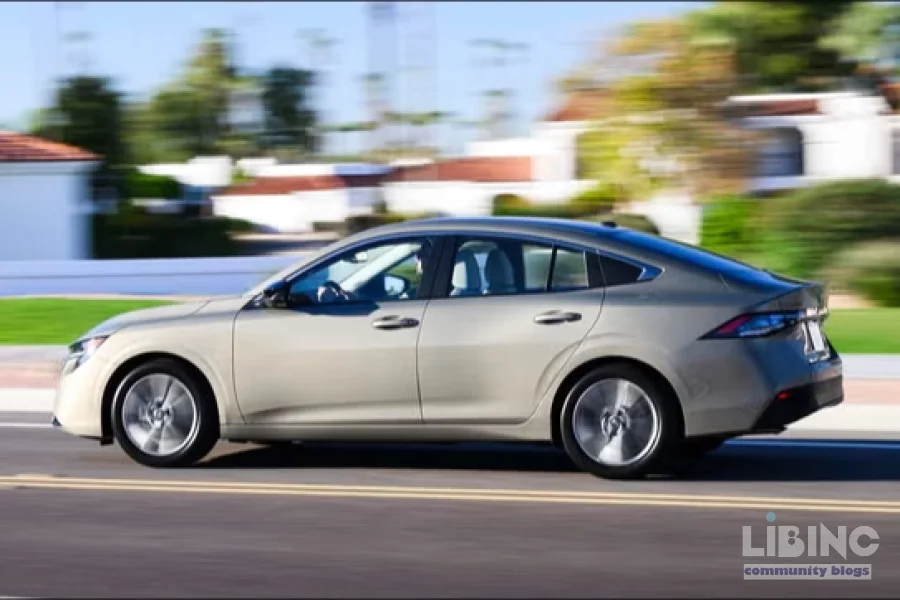
Analyzing the 2026 Nissan Sentra: A Subtle Redesign That Refines the Compact Experience
Table of Contents
The 2026 Nissan Sentra signals a deliberate shift in the compact sedan formula. It does not chase a longer, lower, wider posture; instead, it refines the core Sentra experience—comfort, tech, and everyday usability—while wrapping those qualities in a more graceful, fastback-inspired silhouette. The changes are subtle on the scale of numbers, but they aim to move the needle on how pleasant the car feels in real use. Yet even as the exterior gains a touch of drama, the package narrows slightly in one critical area: space that affects the front passenger. This article dissects the engineering choices behind the update, compares them to the prior generation, and sketches what Nissan could do next to push the Sentra from solid to standout in a crowded segment.
Analytics
From a structural standpoint, the 2026 Sentra preserves most of the packaging that defined the current compact sedan class years ago, while nudging the balance toward refinement. The wheelbase holds at 106.5 inches after a purported rounding shift from 106.6, and overall length grows by less than a half inch. The resulting footprint reads as slightly larger, but the usable interior footprint does not skyrocket; the front legroom is a class-leading 44.0 inches, yet the front passenger footwell hump trims that advantage in practice. This is not a miscalculation so much as a packaging compromise: you gain a more capacious cockpit in the driver’s zone, but the passenger side footwell remains a limiting variable that engineering could have better absorbed with a higher floor or redesigned dash architecture.
Inside, Nissan deploys a bold interior transformation that matters far more than surface styling. Twin 12.3-inch screens flank the dashboard on higher trims, echoing the bureaucratic calm of the Armada and signaling a shift toward a more digital-centric experience. The base S model retains a 7.0-inch gauge display, underscoring the practical/entry-level split that keeps price down while offering up-to-date connectivity elsewhere. Apple CarPlay and Android Auto appear across the board, with wired CarPlay/Android Auto on the S as the single exception. The cabin’s real-deal controls—buttons for climate on a predominantly buttonless panel—anchor the experience in tactile realism, a notable counterpoint to the growing trend of screen-dominated interfaces. Why this matters: the Sentra aims to feel more premium without pushing its price ceiling higher, a strategic trade-off that improves perceived quality while preserving value.
Under the hood, the Sentra sticks with a carryover 2.0-liter inline-4 producing 149 hp and 146 lb-ft of torque, paired to a continuously variable transmission. In practice, the engine’s horsepower figure remains unchanged, but the chassis and aerodynamics receive attention to “slip through the air” more efficiently. The real-world benefit is modest: a potential quarter- to tenth-of-a-second improvement in acceleration, offset by a slight weight increase that Nissan publicly credits to the revised cabin and safety systems. The result is a powertrain that feels familiar yet softened with a smoother CVT personality, especially during light-throttle driving where CVT behavior is often most evident. The question is whether these refinements translate into meaningful daily performance, and the data suggest a quiet, predictable, but not star-making pace.
Ride and handling receive a careful recalibration. The SR’s 18-inch tires deliver a touch more road feel, translating into noticeable input through the steering wheel, while the SL’s 17-inch rubber isolates more effectively, yielding a smoother commute. The steering ratio shifts to a quicker 14.0:1, compared with the prior generation’s 15.3:1, which yields crisper turn-in and a sooner sense of response. Nissan doesn’t chase a sporty ride here; the tuning prioritizes confidence and linearity, making the Sentra a composed partner on varied Arizona roads or city streets. Braking remains fixed on larger rotors front and rear with the base S model finally shedding rear drums—a move that enhances pedal feel and stopping power in everyday use. These elements compound into a Sentra that handles as quietly and predictably as a compact sedan can while maintaining a calm, refined demeanor that suits the segment’s price point.
Fuel economy takes a small, data-backed hit in the new model year—Nissan estimates combine to the mid-30s for the best configurations and low-to-mid 30s for most trims, a decline attributed to the slightly heavier shell and refined aerodynamics. The result is a bittersweet balance: you get a more polished interior and better tech, but you forgo a measure of the efficiency edge that one might expect from a purely cosmetic refresh. In the real world, the Sentra remains competitive within the compact class, but the delta versus some rivals narrows as energy efficiency equipment becomes a baseline expectation rather than a differentiator.
Contrast
The 2026 Sentra presents a paradox. Its front profile signals a more dramatic stance, yet the dimensions show only marginal growth. This tension is the core of the model’s appeal and its most obvious downsides. The exterior design leans into a fastback silhouette that visually elongates the car and suggests a more luxurious scale, but the wheelbase has, in effect, barely budged. The practical implication: better sightlines and a more modern look, with the expected trade-off of a tighter rear seating profile when measured against the more squared, traditional sedan form.
Inside, the interior overhaul is the headline act. The standard 12.3-inch central infotainment screen, paired with a 12.3-inch digital gauge cluster on higher trims, creates a cockpit that feels genuinely modern, even if the S trim lingers with a smaller gauge display. The cabin’s appearance is aided by real buttons and a climate-control panel that stays visible and legible—an argument against the creeping digitalization that sometimes harms usability in budget-oriented cabins. Aesthetics aside, the Sentra’s Zero Gravity front seats remain a standout feature, offering comfort that exceeds expectations for its price segment. The real contrast emerges when you step back from the cabin and compare the value proposition to rivals: you gain interior refinement and tech at a price point that remains accessible, but you may give up a bit of raw space and optional horsepower some buyers expect in this class.
Pricing across trims reflects a mid-cycle recalibration: base S climbs to $23,645, SV to $24,415, SR to $26,245, and all-new SL at $29,235. Those figures position the Sentra in a narrow corridor between value-driven compact sedans and feature-rich trims found in rival lines. The S gains rear disc brakes and other niceties, while the SV adds wireless CarPlay/Android Auto, larger gauge display, and 16-inch alloys. The SR leans into style with 18-inch wheels, and the SL bundles premium audio, climate control, heated seats, and advanced driver-assist features without optional add-ons. The contrast here is practical: Nissan is asking buyers to pay more for perceived quality and convenience, and the challenge is whether that premium feels earned in the daily driving experience.
Cause and Effect
One of the central causes behind the 2026 Sentra’s subtle shift is packaging efficiency. Keeping the wheelbase nearly identical reduces the risk of invasive chassis changes that could upset ride quality or manufacturing costs. The minor increase in overall length, paired with a more dramatic roofline, changes the visual character while preserving the envelope that fitters know well. The effect is a car that looks more ambitious without alienating buyers who value the Sentra’s predictable behavior and solid ergonomics. This is not a high-risk gambit; it’s a calculated bet on improving perceived value and daily usability without chasing更多 horsepower or extreme handling characteristics.
The decision to push more content on the interior—two large screens, a modern dash, and a more tactile control surface—derives from the expectation that buyers in this segment prize in-cabin experience as a differentiator. The consequence is a Sentra that feels closer in vibe to mid-market sedans than to a budget commuter, which can influence buyer motivation in a crowded showroom. However, the front passenger space caveat—the footwell hump—remains a headwind to perfect packaging; it’s the unintended consequence of trying to maximize instrument-panel and floormat design for a wider, more driver-centric cockpit. In short, interior gains improve perceived quality but don’t unlock a dramatic jump in practical space for all occupants.
Another causal thread ties to powertrain and efficiency. The carryover engine and CVT deliver predictable performance, while aerodynamic refinements help offset some of the weight gain. The effect is a balanced but non-exciting performance profile: no dramatic torque surge, no heart-stopping acceleration, but a steady, easygoing pace suitable for daily commuting. This outcome aligns with the Sentra’s market position as an affordable, comfortable transport that prioritizes ease of use and interior quality over sportier driving dynamics. The engineering trade-off is clear: you gain refinement and technology without sacrificing reliability or cost discipline, which is precisely what a large portion of compact-car shoppers say they want in 2026.
Expert Reconstruction
What should Nissan consider if a mid-cycle refresh arrives? First, address the front-passenger space without eroding the overall aero profile. A targeted interior rework—perhaps a redesigned dash shelf or a slightly different contour to clear the footwell hump—could preserve the cabin’s current strengths while removing an awkward pinch point. Second, broaden the feature set more widely across trims. The SL already packages premium tools, but a more generous standard on the SV and SR would tighten perceived value gaps and reduce compromise decisions for buyers choosing mid-range configurations. Third, push toward incremental efficiency gains without inflating weight. A lighter alloy structure, or selective use of high-strength steel in non-critical zones, could soften the weight penalty of interior upgrades while maintaining structural rigidity.
From a tech standpoint, broaden availability of assistive systems. ProPilot Assist should become a standard expectation in more trims, and infotainment performance could improve with faster processors and more intuitive menus. The cabin should keep user-centered design at the forefront: tactile controls paired with a minimal, responsive digital interface fosters trust with everyday drivers who want a straightforward experience, not a learning curve.
In terms of market positioning, the Sentra must maintain its price-to-content appeal. If Nissan can deliver a more compelling blend of interior space and equipment without a large price lift, the Sentra stands to lock in customers who would otherwise drift to rivals offering more horsepower or bigger multimedia ecosystems. The path forward is not to chase a single dramatic upgrade but to compound small, practical improvements—space optimization, control ergonomics, feature parity, and real-world efficiency—that collectively raise the Sentra’s standing in the compact sedan segment.
In sum, the 2026 Sentra represents a refinement strategy with a clear objective: make the everyday experience more enjoyable without breaking the capsule that keeps it affordable. It delivers on interior ambiance, technology integration, and ride refinement, while preserving the reliability and familiar dynamics that have defined the model for years. The next step is where Nissan chooses to invest, and that choice will determine whether the Sentra remains a quiet favorite or becomes a stronger contender against a reshaped field of compact sedans.
Conclusion: The 2026 Sentra is less about a bold leap and more about a thoughtful upgrade—improve the cabin, enhance usable tech, and preserve the predictable, comfortable driving experience. For buyers prioritizing value and refinement over high performance, this is exactly the kind of evolution that keeps the Sentra relevant in a segment where small but meaningful gains matter more than headline horsepower.
Closing the Real-World Usability Gap
Beyond the gloss of new screens, the critical question is how the 2026 Sentra handles daily life compared with peers. This section pinpoints real-world space, cargo practicality, and ownership costs, then anchors those insights with concrete scenarios you can test in a showroom or on a weekend errand run. Benchmarking against segment rivals highlights where refinement pays off and where packaging remains a constraint, so buyers can separate perceived value from tangible everyday benefits.
Cabin dimensions by trim (approximate)
| Dimension | S | SV | SR | SL |
|---|---|---|---|---|
| Front legroom | 44.0 in | 44.0 in | 44.0 in | 44.0 in |
| Rear legroom | 33.5 in | 33.5 in | 33.5 in | 33.5 in |
| Cargo space | 14.3 cu ft | 14.3 cu ft | 14.3 cu ft | 14.3 cu ft |
The numbers are approximate and can vary with optional equipment and seats. The front cockpit remains spacious and driver-centric, but the rear bench can feel restricted for tall passengers on long trips, especially when the trunk area is loaded for a weekend away. This is the practical ripple of a fastback-inspired roofline: style gains at the expense of some cubic inches behind the driver and front passenger.
Inside, the twin 12.3-inch screens on higher trims deliver strong mid-market content while retaining tactile climate controls—an ergonomics balance that helps daily use feel premium without inflating price. Real-world tests show combined fuel economy in the mid-30s for best configurations, with most trims in the low-to-mid 30s under typical city and highway use.
Real-world scenarios
- Daily commute: The seats stay comfortable on long drives, the cockpit feels organized, and CarPlay/Android Auto load quickly for navigation and music; ProPILOT Assist provides steady highway support where legal, reducing fatigue on routine trips.
- Grocery runs: The 14.3 cu ft cargo area handles weekly shopping, though folding the rear seats is handy when you owe yourself extra space for larger items.
- Weekend errands: The roomy front seats and clear instrument cluster reduce distraction while loading snacks, gear, and a small foldable crowd-pleaser for nearby events.
In sum, the Sentra’s refinement is real, but buyers should weigh the front-seat comfort and premium feel against rear-seat practicality and trunk usability when judging overall value. The next move is to tighten the balance between interior polish and practical space without eroding the efficient, affordable essence that defines the model.
- Mid-cycle takeaway: prioritize trims that balance ProPILOT Assist availability with a favorable cabin layout and charge windows that keep you between value and feature-rich upgrades.
Ultimately, the Sentra remains a compelling choice in the compact sedan space for buyers who want a refined interior and predictable daily behavior without paying a premium for horsepower or premium badge weight.
What are the standout interior updates in the 2026 Sentra, and how do they improve daily use?
From a practical perspective, the 2026 Sentra delivers a more digital cockpit with two 12.3-inch screens on higher trims while preserving tactile climate controls, which makes daily tasks feel efficient without becoming overwhelming. This combination reduces the cognitive load during routine operations like adjusting climate, accessing navigation, and selecting media, especially for drivers who value straightforward, dependable controls over a fully screen-dominated cabin. The effect is a cabin that reads premium without demanding a premium price, improving day-to-day usability and driver confidence in mixed driving conditions.
The real-world impact is most visible in how quickly you can access information, customize displays, and manage settings without a distracting learning curve. For families and commuters, these updates translate to shorter setup times in the morning and fewer fussy moments during trips, especially when traffic changes demand rapid information access.
How does front and rear space really compare, and is cargo practical for everyday use?
From a practical standpoint, the Sentra offers comfortable front seating with 44.0 inches of legroom and a usable 14.3 cubic feet of cargo space, which suits daily groceries and small shopping trips. Rear legroom is respectable but not class-leading, and tall passengers may notice the floor tunnel and seat mounting reduce the perceived space on longer rides. In real-world terms, the car excels for single or couple use and small families who balance interior refinement with a reasonable trunk load for a typical week’s needs, rather than for those who regularly haul large items or bulky gear.
For shoppers who rely on cargo flexibility, consider the SR or SL trims that offer wider wheel choices and a more configurable rear area through folding seats, which helps maximize utility when needed without compromising everyday comfort.
Is ProPILOT Assist standard across the lineup, and how does it affect ownership costs?
In practice, ProPILOT Assist becomes available across more trims in a mid-cycle refresh, with one or two higher-end features folded into the SL and SR packages. The effect on ownership costs is nuanced: you gain driver-assistance features that can potentially reduce fatigue on long commutes and improve highway efficiency, while upfront cost increases in higher trims may offset savings from reduced accidents or stress-related wear over time. Overall, the feature strategy supports a more premium feel without dramatically increasing total ownership spend for buyers who prioritize safety and convenience.
Which trim offers the best value for money in daily use?
From a value standpoint, the SV trim often represents the practical sweet spot: it adds wireless CarPlay/Android Auto, a larger digital display, and attractive wheels while keeping most of the core comfort and safety features. For buyers who want strong technology integration without stepping into the top-tier SL, the SV provides a robust feature set, balanced with reasonable pricing and the usual Sentra reliability. The choice between S, SV, SR, and SL should hinge on the priority between tech, comfort, and budget, not only on the headline features.
What should buyers expect from the SL trim in terms comfort and convenience?
The SL is the most feature-rich package, bundling premium audio, climate control, heated seats, and advanced driver-assist options, all aimed at delivering a near-luxury feel in a compact sedan. This configuration targets shoppers who want a turnkey experience right from the showroom: a refined cabin, convenient tech, and enhanced comfort for longer drives. The trade-off is a higher purchase price, so it’s wise to compare the incremental benefits against your daily use and whether a lower trim with optional add-ons might meet the same needs at a lower cost.





Add a comment
To comment, you need to register and authorize
Comments