

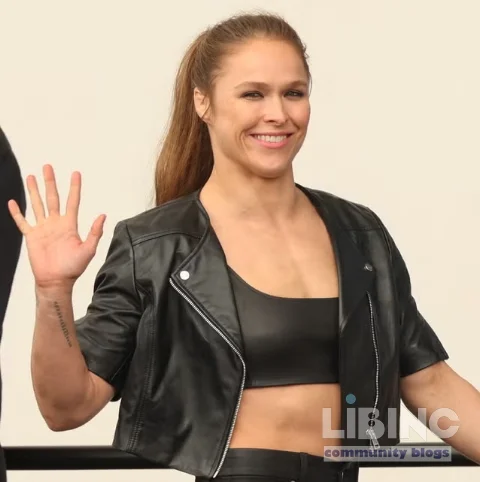
Ronda Rousey: An analytical study of dominance, branding, and cross-sport impact in MMA and WWE
Table of contents
Ronda Rousey stands as a pivotal figure in the modern combat-sports era. She didn’t merely win titles; she fused elite technical prowess with a media-forward persona that redefined what an athlete can be in and out of the ring. Her ascent—from a troubled childhood through the discipline of judo to the UFC octagon and beyond—offers a case study in how skill, narrative, and timing intersect to create a lasting legacy. This analysis treats Rousey not simply as a sequence of victories but as a structural force that altered the economics, media dynamics, and fan expectations of women’s combat sports.
To understand Rousey’s impact, we must trace a thread that weaves technical mastery with market forces. Her career is a compound story: Olympic podiums and world championships in judo, a Strikeforce belt, a historic UFC title run, a high-profile transition to WWE, and a string of film and television roles. Each turn amplifies the others, turning athletic achievement into cultural traction. The question is not only how many arms she bent or how quickly, but why her ascent mattered beyond the sport itself and how her path reshaped opportunities for the next generation of competitors.
Analytics-driven analysis
The analytical core of Ronda Rousey’s rise rests on a rare blend of biomechanical efficiency and strategic timing. In judo, she deployed a compact, explosive grip cycle that set up the armbar with surgical precision. This baseline skill translated into mixed martial arts where the first over-riding constraint for opponents was the threat of an immediate submission. The data is telling: the vast majority of her wins came via armbar or quick collection of ground control in the first two rounds. Rousey’s early speed created a knockout of fear in the division, catalyzing a market response that rewarded her for finishes over long, drawn-out battles.
- Strikeforce championship impact: By defeating Miesha Tate for the Strikeforce Women’s Bantamweight Championship in 2012, Ronda established herself as a definitive benchmark for the weight class. Her victory did more than claim a belt; it signaled a new standard for what a female bantamweight champion could embody in terms of pace, control, and finishing instinct.
- UFC debut and belt defense: The inaugural UFC women’s bout saw Rousey submit Liz Carmouche in 4 minutes and 49 seconds, leveraging the armbar as a signature that became a narrative anchor for the entire division. This wasn’t merely a technical win; it was a branding moment that linked skill with accessibility for new viewers.
- Media saturation and branding: Her cross-media exposure—cover features, talk-show appearances, and magazine spreads—amplified the perceived value of a female fighter and accelerated the convergence of sport and entertainment in combat sports.
Why does this matter beyond the numbers? Because the speed, precision, and predictability of her finishes created a fractal effect on the sport’s ecosystem. Promotions could forecast pay-per-view projections with greater confidence when an opponent faced the Rousey problem: a pressing, quick, and visible finish. The armbar became not just a technique but a signal—an indicator that a fight could conclude in a single sequence, which, in turn, changed how promotions priced, marketed, and scheduled events involving top-tier women’s bantamweights.
Ronda’s early record also reflects how a dominant style can alter competitive dynamics. Her victories forced opponents to adapt their entire approach, often investing in training camps to neutralize the armbar threat rather than developing a broader strategic game. The adaptation pattern is a classic cause-and-effect of dominance: the more you beat the field with a single, repeatable mechanism, the more future challengers tailor their entire camps around that mechanism. This is where the data intersects with strategy: dominance compounds marketable value by shrinking the variance in outcomes when the same skill set is deployed under the same ruleset.
In historical terms, Rousey’s analytics reveal a movement within MMA where a fighter’s value becomes entangled with media visibility. The UFC’s decision to grant her headline status and to cultivate a “fighter-as-star” model accelerated a broader industry shift—one that rewards a fighter who can recruit and convert casual fans while maintaining technical credibility. The knock-on effect is a virtuous loop: compelling fights attract larger audiences, larger audiences drive more endorsements and better matchmaking, and better matchmaking contributes to a longer, more influential career arc for the athlete and the sport alike.
From a systems perspective, Rousey’s impact also reshaped the talent pipeline. Young competitors saw how athletic excellence could coexist with brand-building, turning the path from amateur to pro into a more navigable, marketable journey. The data points—title defenses, media appearances, and cross-promotional ventures—are not isolated milestones; they form a pattern that redefines potential trajectories for women in combat sports and raises the bar for what fans expect from top-tier athletes. This reframing of value, as much as the wins themselves, is a central driver of her lasting influence on MMA’s structure.
Contrast-driven analysis
Ronda Rousey’s story unfolds most clearly when contrasted with contemporaries who shared the limelight. The comparison is not only about who won more fights or defended belts longer; it’s about how different combat athletes leveraged opportunities, managed risk, and built audiences. The Holm knockout, Tate rematches, and Nunes title defenses illustrate divergent paths within the same era, highlighting how Rousey’s decisions amplified rather than merely reflected the sport’s evolution.
One contrast centers on competitive style and its implications for longevity. Rousey’s finishes in the first round—often within the opening minutes—created a dramatic, rapid narrative that suited pay-per-view dynamics and social media engagement. Holly Holm’s counter-striking era, by contrast, highlighted the vulnerability of rushing into predictable patterns. Nunes demonstrated a more adaptable, multi-faceted approach that withstood late-career evolution. The contrast isn’t simply about who is better; it’s about how different tactical choices influence marketability, fan perception, and the opportunity cost of risk-taking in a sport where a single loss can redefine a career.
Another dimension of contrast is the crossover phenomenon. Rousey’s transition to WWE catalyzed a different kind of audience engagement—one that capitalizes on storytelling and character development beyond the cage. In that arena, the contrast with male-dominated sports promotion is even starker: her ability to retain legitimacy while entering a wholly different entertainment machinery demonstrates a hybridization of athletic credibility and entertainment value that few fighters have matched. This cross-domain movement magnified her visibility but also placed novel expectations on her performance in a new set of rules and audience norms.
A third axis of contrast concerns media framing and narrative inevitability. Rousey benefited from a positioning that framed her as a trailblazer, which in turn simplified the public’s storyline: the first female UFC champion who then expanded into global pop culture. Other athletes in the same era faced more complicated narratives, where success was not always coupled with clear branding arcs or with a post-fight media pipeline that could sustain a long-running career beyond the cage. The contrast matters because it reveals how narrative design and media strategy can multiply the impact of athletic achievement, turning a dominant fighter into a lasting cultural icon.
In sum, the contrasts illuminate a broader truth: Ronda Rousey’s advantage lay not only in the belt but in her adept synthesis of performance, timing, and image. The result is a template for future generations—one where the sport’s technical ceiling raises alongside the expectations of how athletes influence culture and commerce. The comparison with Holm, Tate, and Nunes emphasizes that mastery must be coupled with narrative and strategic action to sustain influence across platforms and over time.
Cause-and-effect analysis
The causal chain behind Ronda Rousey’s rise begins with a foundation in judo, but the chain extends far beyond technique. Her early life experiences—severe adversity, a focus on discipline, and the mentorship of a world-class judoka mother—created psychological durability, which in turn enabled rapid skill acquisition in a demanding sport. The armbar—an intimate, mechanically elegant submission—became a recurring cause of dominance in her MMA career, setting off a cascade of effects across promotions, media, and fan culture. Each victory reinforced a brand that could be monetized in multiple realms, and that branding, in turn, supported more aggressive competition schedules and a wider match-making appetite from promoters.
Why did this sequence unfold the way it did? The answer lies in the feedback loop between performance and visibility. Each early success provided a platform for endorsements and media access that would not have been available to a less marketable athlete. The strikes of luck—such as favorable timing for the UFC’s expansion of women’s divisions—converged with a relentless, practice-driven engine of improvement. The effect was a self-reinforcing cycle: success begets exposure, exposure enhances bargaining power, and bargaining power funds better training and higher-level opponents, which in turn amplify the likelihood of continued success.
But the causal story also contains constraints and countervailing forces. Injuries, slippage in peak physical condition, and the inevitability of stronger, more diverse opponents created challenges that could erode momentum. The Holm loss, for example, disrupted the narrative of invincibility and forced a recalibration of strategy and training priorities. This setback did not merely puncture a record; it altered the sequence of events driving her media footprint, the tone of public discourse about women’s MMA, and the associated opportunities for cross-sport ventures such as WWE. The cause-and-effect logic here demonstrates how fragile a centuries-long brand can be when confronted with a single high-profile failure, yet also how resilient branding can be when accompanied by a flexible, credible performance record across platforms.
Finally, the cross-pollination between sport and entertainment multiplied the causal effects. Rousey’s WWE tenure did not simply extend earned fame; it created new demand for media appearances, film roles, and fashion- and lifestyle-related endorsements. The cause-effect relationship between her in-ring credibility and off-ring visibility became stronger as she moved between domains, expanding the audience that experiences her work and heightening the perceived value of every subsequent fight or match. This cascade demonstrates that dominance in one arena can reallocate attention and resources across a media ecosystem, ultimately redefining what it means to be a multifaceted combat athlete in the 21st century.
Expert reconstruction
Looking forward through an expert reconstruction lens, Ronda Rousey’s career suggests several plausible trajectories for her legacy. First, her technical specialization—anchored in the armbar and the early finish strategy—could inspire a generation to prioritize high-percentage, low-variance techniques that maximize probability of victory in the opening minutes. Yet this very specialization invites countermeasures: opponents studying the opening minutes to identify counters and plan longer, more nuanced exchanges. An expert reconstruction would anticipate a future where a fighter combines the immediate threat of submission with diversified striking and grappling options, reducing predictability without sacrificing pace. Rousey’s own willingness to adapt—evident in the shift to WWE and acting—illustrates a broader template: champions who leverage brand capital to reinvent themselves on new stages can extend longevity and influence beyond peak competition.
Second, the branding logic around Rousey demonstrates a durable model for female athletes. The combination of sport performance with media-savvy storytelling created a multiplier effect on audience growth and investor interest. The expert reconstruction therefore calls for continued emphasis on media training, public-facing narratives, and cross-platform projects that align with the athlete’s authentic competencies. For Rousey specifically, any future project would need to balance the integrity of combat-sport credibility with the demands of entertainment storytelling, ensuring that each move reinforces her legacy rather than diluting it through diluted appearances or inconsistent messaging.
Third, a cognitive and cultural reconstruction would argue for sustaining a mentorship ecosystem. In a field where the pipeline is still developing, the most impactful figures will be those who actively nurture rising fighters—coaching, sponsorship, and media guidance. Rousey’s experience across judo, MMA, and professional wrestling provides a unique vantage point for building such a bridge between generations. If she chooses to formalize that role, she could shape the next wave of athletes who understand how to win in the cage and in the court of public opinion, thereby extending the arc of her influence well beyond the octave of a single career span.
Finally, the expert view acknowledges the broader implications for combat sports culture. Rousey’s legacy illustrates how a dominant figure can catalyze structural changes—promoter willingness to invest in women’s divisions, fan engagement patterns shifting toward shorter, more decisive fights, and a cross-genre appetite for sports narratives. The reconstruction suggests that future stars will be evaluated not only on match outcomes but on their capacity to integrate performance with entertainment, entrepreneurship, and social impact. This holistic approach—sport, story, and system-level influence—defines a blueprint for enduring relevance in the rapidly evolving world of mixed martial arts and its sister disciplines.
In closing, Ronda Rousey’s career embodies a synthesis of elite performance and strategic self-positioning. The evidence supports a durable thesis: dominance in combat sports today hinges not only on skill but on the ability to translate that skill into a scalable, multi-platform brand. Her path provides a template for future athletes who seek to maximize value across arenas, while preserving the integrity of the sport that produced them. The enduring significance of Rousey’s work lies in how it reshaped expectations for what a fighter can achieve when competition, media, and ambition converge.
Remarkably, the story continues to evolve. As historical narratives accumulate additional chapters—whether in the octagon, the ring, or the screen—Ronda Rousey remains a reference point for both technical excellence and strategic audacity. The synthesis of these elements will likely define the next era of combat sports, validating a principle: excellence is most powerful when it is visible, repeatable, and transferable across stages and generations.
Conclusion
Ronda Rousey’s ascent is not merely a chronicle of victories but a blueprint for modern athletic influence. Her unique combination of judo-derived efficiency, early finishing power, and later cross-domain branding changed how athletes think about training, marketing, and career longevity. The essential insight is that sport and spectacle are not separate spheres; they reinforce one another. Rousey’s legacy will be measured by the durability of that synthesis in the years to come.
Strategic blueprint for enduring influence
To anchor Rousey’s precedent in tangible steps, this section translates her trajectory into a practical framework for future champions and brands. The missing thread in the original piece is a clear, data-informed plan that connects on-cage performance with multi-platform impact. Consider a structure where an elite fighter achieves rapid finishes in the opening rounds while cultivating media-ready narratives that resonate across audiences. In concrete terms, teams should track three pillars: performance signals, audience signals, and commercial signals.
- Performance signals: high finish rate, pace, and location of finishes, paired with adaptive training to counter counters.
- Audience signals: short-form clips, behind-the-scenes content, and authentic coaching stories to broaden appeal.
- Commercial signals: coordinated cross-promotions across combat and entertainment (films, sponsorships, charity events) to maximize exposure while maintaining sport credibility.
Practical scenarios include a judo specialist who becomes a top MMA finisher while promoting a positive fighter image; an athlete who uses a cross-code run in WWE to sustain attention during competitive cycles; and a mentorship program pairing rising stars with veterans to build a durable pipeline for the next generation. This approach yields a repeatable model for growth in the global women’s MMA landscape and strengthens the link between sport performance, media, and brand equity.
Applied: data snapshot links performance with audience and commercial impact.
| Fighter | Platform | Signal | Impact | Year | Notes |
|---|---|---|---|---|---|
| Rousey | MMA | Finish rate | Mainstream attention | 2012-2015 | Early dominance |
| Holm | MMA | Counter strategy | Market dynamics shift | 2015-2016 | Strategic disruption |
| Nunes | MMA | Versatile finishes | Title longevity | 2017-2020 | Durable champion |
| Rousey (WWE) | Entertainment | Brand storytelling | Cross-audience growth | 2019-2021 | Cross-domain impact |
Implications for the broader landscape include a structured approach that blends sport performance with media strategy, enabling more athletes to navigate the economics of modern combat sports. In practice, teams should calibrate the balance between opening-finish pace and long-term credibility to sustain attention across cycles, seasons, and cross-promotional ventures. This framework supports the growth of women’s MMA and reinforces a global culture where athletes can build value across arenas—sport, entertainment, and brand entrepreneurship.
What made Ronda Rousey’s rise unique in MMA?
Ronda Rousey’s rise fused elite technical mastery with a compelling personal narrative, creating a fast, repeatable success formula that translated on-cage performances into broad audience appeal, cross-platform opportunities, and enduring brand equity long before any one promotion could fully monetize her visibility, and she achieved this through an unusual blend of Olympic judo credentials, relentless training discipline, and early media accessibility that turned decisive wins into accessible, shareable moments for fans and sponsors alike, while maintaining technical credibility through precise execution that made her appearances both exciting and instructional for aspiring fighters. This synthesis anchored a durable popularity loop that crossed sport, entertainment, and consumer culture.
Analytically, the combination of performance signals and narrative visibility amplified early adoption, created spectacular event-driven demand, and reshaped how promotions price and stage female competition by pairing speed, clarity, and accessibility in a single package.
How did branding influence opportunities for women in combat sports?
Branding created a multiplier effect: it amplified athletic success into media contracts, arena promotions, and long-term career options beyond active competition, and it did so by reframing female fighters as both credible athletes and relatable figures who could drive revenue through storytelling, endorsements, and cross-industry collaborations, which in turn increased promoter willingness to invest in women’s divisions, expanded broadcast windows, and encouraged sponsors to experiment with new formats and voices. This dynamic validated a broader talent pipeline and established a sustainable economic model for future generations of athletes in the sport.
Analytically, the branding approach reduced the risk for promoters, increased audience retention, and aligned marketing timelines with sports milestones to maximize attention across platforms.
What role did cross-media appearances play in extending an athlete’s career?
Cross-media appearances, including television, film, and wrestling, can extend an athlete’s career by creating second-life value and maintaining relevance between peak competition periods, allowing brands to monetize involvement in multiple domains while preserving on-field credibility. In Rousey’s case, WWE and film roles broadened her fanbase, opened new endorsement streams, and gave promoters confidence to schedule cross-promotional events and preview matchups that continued to drive attention even as athletic focus shifted to different arenas.
Analytically, cross-media activity stabilizes income streams and creates content pipelines that fuel fan engagement and sponsorship interest during down periods in competition.
How did opponents adapt to her armbar and what changes did that trigger?
The core counter to Rousey’s armbar threat became improved defense, tighter control of the early clinch, and an emphasis on scrambling and posture to prevent rapid submission setups, which in turn forced Rousey and her team to diversify her approach with more varied stand-up and grappling sequences. This adaptation helped reshape training priorities across the division, encouraging a broader skill set rather than a single finish-first strategy, and it spurred defensive innovations that benefited the sport’s overall technical level.
Analytically, the evolution of counter-strategies increased the arrival rate of competitive fights, potentially reducing one-sided dominance and extending the marketability of top contenders through more dynamic, multi-faceted styles.
What lessons can upcoming fighters take from Rousey’s strategy for multi-platform success?
Upcoming fighters can learn to align elite performance with authentic storytelling, ensuring that their public persona reflects credible sport values while remaining accessible to broad audiences. The key is to build a stable brand that can travel across platforms without diluting competitive credibility: invest in media training, cultivate consistent narratives, and seek cross-promotional opportunities early in a career to create a diverse portfolio of opportunities that survive changes in competition schedules.
Analytically, a diversified platform approach reduces dependency on a single event or market, improving resilience in the face of injuries, market shifts, or format changes in the sport.
What is the forecast for the future of women’s MMA and athlete branding?
The future likely features deeper integration of sport and entertainment, with more athletes building long-term brands that extend beyond active competition through media, philanthropy, and business ventures. This requires ongoing training in storytelling, entrepreneurship, and public-facing roles, with governing bodies and promoters supporting multi-platform development to sustain growth in audience engagement and commercial value.
Analytically, the industry benefits when credible athletes can translate performance into enduring visibility, enabling more stable sponsorships, better matchmaking, and a broader fan base across geographies and demographics.





Add a comment
To comment, you need to register and authorize
Comments