

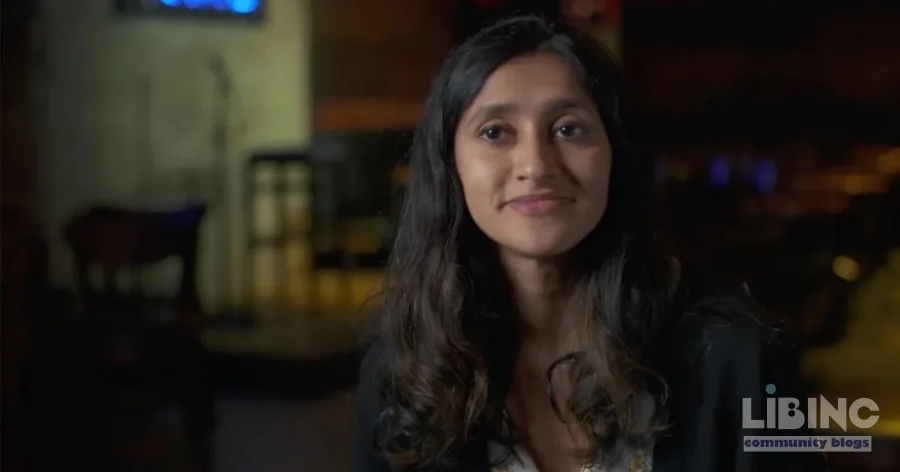
Anxiety as a Creative Constraint: Insights from Anxiety Club and Aparna Nancherla on Living with Anxiety
The documentary Anxiety Club frames anxiety not as a personal flaw but as a shared, everyday pressure that threads through work, relationships, and self-image. It pairs intimate stories with a chorus of comic voices, asking what anxiety looks like when lived openly. This article expands on that conversation, weaving in Aparna Nancherla's experiences and a broader reading of how anxiety operates in creative life and in ordinary routines.
From a systems view, anxiety is a regulatory cascade that shapes perception, choice, and action. The film emphasizes simple routines—sleep hygiene, hydration, and steady meals—as practical levers for neural regulation in a culture that prizes speed over stamina. Nancherla's observations show how anxiety evolves with age and visibility, transforming from an overwhelming onslaught into recurring patterns that can be understood, moderated, and even channeled into craft and humor.

Through analytics: the anatomy of anxiety in contemporary life
Anxiety operates as predictive processing: the brain constantly forecasts what could threaten through probabilistic models. The film maps this dynamic to daily life by showing how deadlines, unpredictable crowds, and social scrutiny trigger a cascade of arousal that sharpens perception but narrows interpretation. Rather than a single mood, anxiety becomes a regulatory mode—a tendency to scan and simulate futures, often at the expense of present engagement. This framing clarifies why anxious responses feel like both quick reflexes and slow, repetitive rehearsals of worst-case scenarios.
These dynamics align with neural regulation and the concept of allostatic load. When predictions overshoot reality, the nervous system sustains high baseline arousal, reducing cognitive flexibility and widening the window for misinterpretation. The practical implication is clear: stabilizing arousal requires interventions that affect sleep architecture and autonomic balance. The film’s emphasis on basic lifestyle factors—sleep hygiene, hydration, nutrition—reads not as quaint self-care but as neurobiological regulation that lowers unnecessary threat signaling. In this sense, everyday choices become a form of neuromodulation that reshapes perception, memory encoding, and error monitoring.
- Attentional bias: a persistent bias toward threat cues and ambiguous data.
- Imagery vividness: intense mental simulations of possible futures that amplify physiological reactivity.
- Arousal amplification: feedback loops that sustain vigilance beyond immediate danger.
- Social appraisal: monitoring others’ reactions, which reinforces predictive coding errors.
This analytic frame also explains why small irritations can snowball into disproportionate responses. When the brain’s model of the world overemphasizes potential harm, cognitive load increases and working memory becomes crowded with contingency plans. The result is a self-reinforcing cycle: heightened arousal narrows attention, which reduces the tolerance for ambiguity and invites further hypervigilance. The film suggests that breaking this cycle requires targeted disruption of the feedback loop at multiple points—sleep, hydration, mindful interruption of rumination, and deliberate exposure to controlled stressors that rebuild trust in the present moment.
Through contrast: anxiety, performance, and the craft of stand-up
Stand-up creates a structured arena where the risk calculus is defined by material, timing, and audience feedback. Unlike casual social gatherings, the mechanic of a set provides a controllable canvas, which paradoxically can soothe performance anxiety by enabling rehearsal and precise pacing. Yet the tension remains: authenticity must contend with acceptance, and the audience becomes a live barometer of perceived value. Nancherla notes that the format itself both carries and channels anxious energy, turning it into observation, nuance, and sometimes humor. The contrast highlights a crucial point: the same anxious energy that hinders safe social exchanges can, when channeled, sharpen perception and storytelling.
In this space, the theater of anxiety becomes a lab for cognitive and somatic regulation. Repeated exposure to the same stage conditions builds familiarity, which lowers autonomic arousal over time. This is not a cure-all; it is a calibrated form of practice that leverages structure, ritual, and feedback to reframe fear as information. The predictable formula of a set reduces unpredictable social dynamics, which can stabilize self-monitoring and free cognitive resources for observation, timing, and word choice. The film’s contributors emphasize that the discipline of crafting a set—editing material, choosing phrasing, and controlling pacing—transforms anxiety from a raw force into a usable instrument for communication and connection.
- Predictable constraints: a fixed stage time and script that shape fear into craft.
- Onstage autonomy: material control reduces unplanned cues that amplify anxiety.
- Audience feedback loop: real-time validation or critique recalibrates risk assessment.
- Authenticity vs acceptance: the tension that gives rise to honest, resonant material.
From an analytical perspective, stand-up demonstrates how structure can buffer affect. The discipline of rehearsing transitions, interpreting crowd energy, and pausing intentionally acts as a form of exposure therapy conducted in a public, supportive space. This does not erase fear; it reframes it as a parameter to manage, measure, and, when appropriate, transform into a shared moment of insight. The result is a model for managing anxiety across other performance-based domains—speech, teaching, even leadership—where preparation and perception interact to modulate the nervous system’s response to risk.
Through cause-and-effect relationships: daily rituals, therapy, and nervous system regulation
The daily rhythm acts as a series of levers that recalibrate the nervous system’s baseline. Sleep quality directly modulates amygdala reactivity and prefrontal control, while hydration maintains blood volume and cognitive steadiness. In turn, steady meals and regular movement reduce allostatic load, lowering the odds of overreactive interpretations of ordinary signals. The documentary and interview together propose a causal chain: routine stability enables cognitive flexibility, which supports more accurate appraisal of threats and opportunities alike. When these routines are disrupted, the system’s propensity for misinterpretation expands, amplifying the experience of anxiety across life domains.
Beyond personal routine, therapeutic engagement provides mechanisms for rewriting the internal script. Cognitive-behavioral strategies help reframe anxious predictions as hypotheses to test rather than truths to fear. Mindfulness practices cultivate sustained attention to bodily cues without immediate reaction, slowing the reflexive loop of worry. Somatic approaches—breathwork, grounding exercises, and body awareness—address the embodied dimension of anxiety, reducing sympathetic dominance and restoring a sense of safety in the present moment. The film demonstrates that such practices are not peripheral but central to sustainable living with anxiety.
- Sleep hygiene: consistent bedtimes, dark environment, and circadian alignment to reduce nocturnal arousal.
- Hydration and nutrition: stable glucose and electrolyte balance that support executive function under stress.
- Structured practice: deliberate rehearsal and routine that transform uncertainty into mastery.
- Therapy and somatic work: approaches that reframe fear as information and cultivate body awareness.
The chain reaction is not linear in a simplistic sense; it is a network where sleep, diet, movement, and therapy interact to lower baseline arousal and increase cognitive bandwidth. With reduced neural noise, individuals can perceive nuances in social cues more accurately, choose responses deliberately, and maintain presence even under pressure. The film’s findings align with contemporary models of emotion regulation, which emphasize flexible shifting between strategies as contexts demand, rather than a single universal remedy.
Through expert reconstruction: Aparna Nancherla, Anxiety Club, and a collective view of fear
Aparna Nancherla’s candor anchors the analysis in lived experience. She traces an evolution from self-described chronic worry to a conscious investigation of how anxiety emerges, persists, and adapts over time. The "anxious brain" becomes a framework rather than a verdict: it is a pattern that can be annotated, understood, and redirected toward productive ends. The moment of writing a memoir, Unreliable Narrator, shifts the project from symptom to narrative, and it reveals how visibility magnifies self-critique while offering a wider canvas for meaning. This dual frame—vulnerability and craft—drives a practical takeaway: narrative becomes a tool for recalibrating inner dialogue and shaping external perception.
Her observation that success amplifies inner critique aligns with cognitive-behavioral and somatic insights: exposure to larger audiences can intensify negative self-talk while deliberate practice broadens capacity to respond. The documentary’s ensemble of comedians illustrates a shared infrastructure of fear, yet also a shared repertoire of strategies—from boundary setting to deliberate pauses—that recalibrate arousal and preserve presence on stage. Anxiety Club humanizes fear by documenting concrete coping routines, peer support, and the stubborn persistence required to pursue art under pressure. In doing so, it reframes anxiety not as an obstacle but as a social artifact that can enrich empathy, connection, and creative work.
The broader cultural implication is a shift from clinical pathology toward a more nuanced discourse that treats anxiety as a dimension of human variation rather than a defect. The film’s conversations illuminate how public visibility—think memoirs, podcasts, and live performances—interacts with the inner critic, shaping how artists negotiate worth, audience expectations, and personal safety. The result is a model for public-facing discussions of mental health that emphasizes responsibility, curiosity, and mutual care. It also points to a practical ethics: share enough to empower others, but protect core needs to prevent burnout and emotional disintegration.
Ultimately, the Anxiety Club project presents a constructive paradox: anxiety is both a barrier and a bridge. It challenges the assumption that high performance requires a flawless mind and shows that reliable work emerges from routines that regulate the nervous system, from honest storytelling, and from a community that treats fear as a common ground rather than a solitary burden. The conversation continues beyond the screen, inviting readers to reclaim agency through deliberate habits, therapeutic insight, and a more generous social imagination about fear, humor, and human resilience.
In sum, anxiety, when understood through the lenses of analytics, contrast, causality, and expert reconstruction, reveals its dual character: it can hinder and it can heighten perception when managed with structure, compassion, and practice. The documentary does not prescribe a universal cure; it offers a set of capable tools—habits, therapies, and conversations—that empower individuals to translate anxiety into clarity, empathy, and art. This is not a victory over fear; it is a maturation of lived experience in the modern world.
References and further exploration draw from the same sources that inspired this analysis: the documentary Anxiety Club (Lobel, 2024) and related scholarship on anxiety, including contemporary work on anxiety as a regulated process within daily life.
End of analysis
Keywords to guide further reading include anxiety, Anxiety Club, Aparna Nancherla, mental health, comedy, sleep hygiene, mindfulness, therapy, somatic practices.
A practical gap remains: readers benefit from a concrete, scalable routine map that translates the film’s neural-regulation ideas into daily actions. This section adds a concise, science-informed plan you can test over a week, with guardrails to avoid burnout and track progress.
| Lever | What it does | Practical tip | Real-world example |
|---|---|---|---|
| Sleep hygiene | Calms amygdala reactivity; supports prefrontal control | Set consistent bed/wake times; dim lights 1h before bed | Mon–Thu: 11pm–7am; Fri: 11:30pm–7:30am |
| Hydration | Maintains blood volume; supports cognitive steadiness | Carry a bottle; sip 30–60ml every 30 minutes | 2–2.5L/day on workdays |
| Nutrition & rhythm | Stable glucose; reduces mood swings | Regular meals; protein + fiber per meal | Breakfast at 7:30, lunch at 12:30, snack at 3pm |
| Movement | Preserves autonomic balance; improves executive function | 10–15 min brisk walk after lunch | Daily 6pm stretch/yoga 15 min |
| Mental practice | Reduces rumination; enhances cognitive flexibility | 5 min mindfulness or grounding on cue | Use a 5-minute alarm when anxious thoughts spike |
The table turns theory into a repeatable routine. Combined with social support and honest reflection, these levers can lower baseline arousal by creating predictable neural signals, which in turn frees capacity for observation, timing, and verbal expression.
To mobilize this into daily life, try a 7-day micro-plan: wake at the same time, hydrate, eat at regular intervals, move, then finish with a brief grounding practice. This isn’t a cure but a reliable scaffold that supports craft, conversation, and presence under pressure.
- Morning sequence
- Hydration + 3-minute breathing
- Light movement or stretching
- Midday check-in
- Pause to re-evaluate priorities
- Hydration and a protein-rich snack
- Evening wind-down
- Screen-free 1 hour before bed
- Reflection jotting (one-page minimal)
These steps embody the film’s insight: structure and practice convert anxiety from a chaotic force into a usable signal for learning, relationship, and performance.
Closing reflections
The expanded reading ties analytics to daily life, anchoring hope in repeatable actions that protect focus, foster empathy, and sustain creative work.
What is the core message of Anxiety Club and Aparna Nancherla’s approach to anxiety?
Anxiety Club frames anxiety as a shared, everyday challenge rather than a personal flaw, emphasizing that patterns of worry, anticipation, and social judgment are navigable through routine, expressive craft, and peer support. Aparna Nancherla’s openness about her own journey demonstrates how vulnerability can inform performance and empathy without sacrificing well-being. This combination reframes fear as information to be used, not a verdict to be endured. The practical takeaway is to treat anxious signals as data and respond with predictable, rehearsed actions that preserve presence and connection.
In essence, the film invites readers to reorient fear toward creativity, collaboration, and sustainable routines that reduce cognitive load and expand awareness of the present moment.
How do sleep, hydration, and nutrition influence anxiety levels?
Sleep, hydration, and nutrition directly affect the brain’s capacity to regulate emotion. When sleep is regular, the amygdala responds less intensely to stress and the prefrontal cortex maintains better control over impulses. Hydration supports steady blood flow and cognitive functions essential for flexible thinking. Regular meals stabilize glucose, reducing mood swings and improving attention. Together, these basics lower allostatic load, allowing clearer perception, more nuanced interpretation of social cues, and calmer decision-making—especially under pressure.
With consistent routines, people experience fewer bouts of heightened arousal and a greater ability to respond thoughtfully rather than react impulsively.
Can stand-up or performance practice buffer anxiety?
Yes. Structured performance conditions—fixed timing, prepared material, and audience feedback—create a controllable environment that reduces unpredictable social dynamics. Rehearsal builds familiarity, which dampens autonomic arousal over time. The process teaches performers to pause, listen, and choose words deliberately, transforming anxiety into observation, timing, and connection. This approach extends beyond stages to classrooms, boards, and leadership contexts, where routine and feedback loops help regulate stress and sustain engagement.
Overall, performance-based practice reframes fear as information that can guide craft rather than derail it.
What practical routines does the film recommend for daily life?
The film’s practical guidance centers on predictable, repeatable patterns: regular sleep schedules, consistent hydration, balanced meals, daily movement, and brief mindfulness or grounding exercises. By pairing these levers with deliberate exposure to manageable stressors—such as performing a shorter set or presenting in a low-stakes setting—people expand cognitive flexibility and trust in the present moment. The core idea is to build a personal system that reduces uncertainty and preserves composure under pressure.
How do therapy and somatic practices alter anxious predictions?
Cognitive-behavioral strategies reframe anxious predictions as testable hypotheses rather than fixed truths, while mindfulness sustains attention to bodily cues without immediate reaction. Somatic methods—breathwork, grounding, and body awareness—address the physical manifestations of anxiety, lowering sympathetic dominance and restoring a sense of safety. Together, these approaches teach flexible emotion regulation, improving resilience across work, relationships, and creative endeavors.
What steps can someone take to start applying these ideas this week?
Begin with a 7-day plan: set a consistent wake time, drink water on waking, eat regular meals with protein, fit a 10–15 minute movement block daily, and practice a brief two-minute mindfulness exercise before bed. Pair this with a 1-page nightly reflection and one social check-in with a trusted friend or mentor. Track mood and attention shifts using a simple scale (1–5) to quantify progress and adapt as needed. Small, repeatable wins compound quickly.








Add a comment
To comment, you need to register and authorize
Comments
Yet the tension remains between authenticity and acceptance. The desire to honor a truthful inner life collides with the social calculus of humor and belonging. The article suggests that when anxiety energy is harnessed, it can yield sharper observations, crisp timing, and more nuanced character work. But there is a cost to this reframing if the environment rewards performance over care. It invites a question about boundaries: how far should a performer bend toward the crowd’s appetite before losing the authentic thread that makes the material honest? For educators and managers, the parallel is unmistakable. Structured practice and predictable constraints can stabilize staff under pressure, but they must be implemented with attention to autonomy and dignity. A culture that expects constant uptime may inadvertently magnify stress, whereas a culture that tolerates pauses, questions, and reflective rehearsal can foster not only compliance but genuine creativity.
What would it mean to translate these insights into everyday tools? One possibility is to design routine libraries that are flexible enough to accommodate shifting demands while maintaining essential neurobiological anchors. Simple rituals such as a short pre task routine, a quick breath check, or a moment to recalibrate during transitions can buy cognitive bandwidth. Another is to normalize the practice of publicly sharing the backstage of anxiety as a resource for others to learn from, rather than a confession of weakness. Public facing platforms, podcasts, or classroom conversations could invite experts and peers to contribute coping strategies that are tested in real time on a stage, a classroom, or a boardroom.
Finally, the article plus film foreground a humane ethic: that anxiety does not need to be conquered to be managed, and that communities have a responsibility to create spaces where difference is metabolized into relationship and meaning. If we take this seriously, we must assess not only what individuals do to regulate arousal but how institutions translate those practices into humane policy. This could involve scheduling that respects circadian biology, spaces for quiet work between meetings, and access to resources for mental health that are as routine as coffee. It invites a broader question about the social architecture that makes such practices possible and sustainable. How do we design systems that reward steady engagement, compassionate feedback, and imaginative risk taking without demanding constancy of the muscles or the soul?
Consider how this model translates to professions outside the arts. In corporate settings, classrooms, or caregiving, the same cognitive bottlenecks show up under deadlines, evaluative scrutiny, or rapid shifts in plan. If the aim is to stabilize arousal rather than suppress it, then training might look like practical rituals: predictable routines that anchor the day, breath and grounding practices for moments of rising alertness, and clear structures that reduce ambiguity. The film’s visual language, with its chorus of comic voices and intimate vignettes, offers a template for public conversations that validate fear without pathologizing it. A question to explore is how to cultivate environments where small disruptions remain manageable and where individuals can reveal their process without feeling permanently at risk of judgment. How might teams design feedback loops that acknowledge vulnerability as a resource rather than a liability?
Another fruitful line of discussion is how the concept of allostatic load reframes progress and success. If high mood and quick adaptability are not the only signals of effectiveness, then longevity and sustainable engagement deserve equal emphasis. This invites a broader cultural project: decoupling speed from worth, and replacing the myth that constant acceleration is the norm with a conscious standard that values steady rhythm, rest, and repair. The film hints at millisecond outcomes, but the longer arc is a narrative about resilience built through daily acts. It would be worthwhile to interrogate the boundaries of this approach. Are there situations where the proposed routines might clash with urgent demands or where overemphasis on regulation could suppress spontaneity or authentic risk taking? How can individuals negotiate these tensions while preserving both safety and honesty in their work and relationships?
A final thread worth exploring is the ethics of public storytelling about anxiety. When a comedian or a public figure shares private fear, there is an opportunity for collective learning, but there is also a potential for sensationalism or unintended consequences. What responsibilities come with translating intimate experience into a communal resource? How can platforms, editors, and organizers set norms that protect participants from exploitation while maximizing the healing potential for audiences? These questions invite a cross disciplinary conversation involving storytelling, clinical insight, media ethics, and organizational policy. In sum, the article offers a robust invitation to treat anxiety as a collaborative project—one that requires routines, conversations, and structural support from families, workplaces, and communities. It challenges us to test these ideas in real life with humility, curiosity, and care for the humanity of others.