

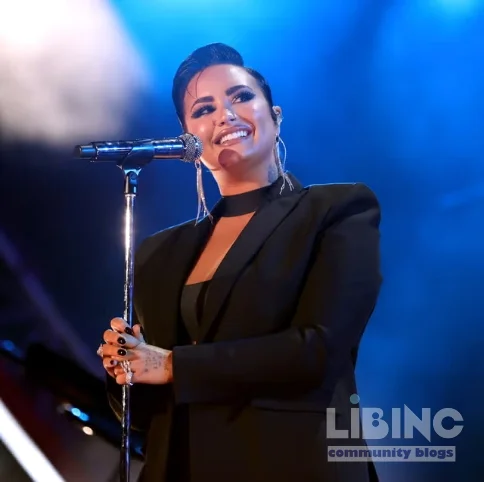
Demi Lovato as a Case Study in Pop Stardom, Health Narratives, and Artistic Resilience
Table of Contents
Demi Lovato embodies a modern paradox of pop stardom: immense reach paired with deeply personal struggles. This analysis tracks a career that starts on television and grows into chart-topping albums, while health challenges and public scrutiny reshape the public narrative. The stakes go beyond hits or awards: Lovato's journey tests how the music industry supports artists who speak openly about addiction, mental health, and identity. Hidden conflicts emerge as inventive artistry collides with a demand for constant visibility, forcing tough choices about privacy, timing, and branding. This article lays out a heuristic: study the career momentum, the strategic pivots, and the advocacy that accompany artistic work. By dissecting these elements, we reveal how Lovato sustains relevance amid personal evolution and a media landscape that increasingly centers on authentic storytelling.
Analytics-driven view of Demi Lovato's career and influence
Lovato began as a child actor on Barney & Friends before becoming a central figure in Disney Channel's talent pipeline. The transition from television roles to chart-ready albums illustrates a deliberate, cross-media strategy that amplified a young artist's visibility and revenue streams. The early album Dont Forget, released in 2008, debuted at No. 2 on the Billboard 200, signaling a viable bridge between TV stardom and mainstream music. This initial proof point matters: it shows how a child star can leverage franchise affiliation into enduring commercial potential, provided the talent can translate screen charisma into studio craft.
- Dont Forget (2008) debuted at No. 2 on the Billboard 200, establishing a credible music foothold alongside TV fame.
- Here We Go Again (2009) extended the trajectory with a Top 20 single, building a pipeline from teen idol to young adult artist.
- Sonny with a Chance and the Disney Channel ecosystem created a durable fanbase that translated into concert demand and brand partnerships.
Following that debut, Lovato built momentum with Here We Go Again and subsequent tours, including a stint opening for the Jonas Brothers. The collaboration with a contemporary pop ecosystem helped establish a distinct sound that blended pop-rock with earnest ballads, giving Lovato a chart footprint beyond television fans. The strategic sequencing—television exposure first, then musical credibility—illustrates a workflow many multi-hyphenate artists now emulate: dominate a core audience while expanding into adjacent media ecosystems.
With Unbroken, the platinum Top 10 hit "Skyscraper" reinforced Lovato's identity as a vocal storyteller capable of heavy emotional arcs. The era that followed, including Demi (the 2013-14 period) and the 2015 single "Cool for the Summer", showcased not only vocal range but an elevated control of production and brand positioning. The shift toward personal narrative and vulnerability in these records foreshadowed the health and identity conversations that would dominate public discourse in the latter half of the decade. This is where the data points converge: musical evolution aligns with a broader social dialog around resilience and self-definition.
In parallel, the artist intensified public-facing advocacy around health and well-being, turning personal experience into a platform. The chart performance then becomes not merely a measure of sales, but a signal of influence—how an artist can steer conversations about addiction, recovery, and mental health toward mainstream outlets without sacrificing artistry. The modern pop star, in this view, is as much a curator of culture as a producer of hits; Lovato’s career embodies that synthesis.
Through contrast: Lovato vs. peers and media narratives
Contrasting Lovato's arc with peers highlights different career templates. While some contemporaries maintain a methodical, media-saturated path, Lovato's trajectory entwines soundtrack-driven pop with a willingness to reveal vulnerability, creating a deeper, more durable connection with a fan base seeking authenticity. The contrast is not just tonal but strategic: Lovato blends music with acting, reality TV appearances, and advocacy work, while many peers concentrate on a single format or market segment. This diversification buffers the risk of over-reliance on one revenue stream and offers a model for cross-media resilience in an era of streaming disruption and fluctuating live-testival demand.
In 2012 Lovato joined The X Factor as a judge, bringing real-world industry acumen and a reformist stance toward mentorship. The role expanded her public persona beyond Disney’s youth brand and positioned her as a credible voice in talent development within a high-stakes reality TV environment. Even as the show faced cancellations and scheduling shifts, the experience reinforced Lovato’s capacity to translate industry insight into audience value—an asset for any artist attempting to sustain relevance across platforms and audiences with divergent expectations.
Lovato's return to acting with recurring appearances on Glee and later ventures into streaming prestige helped maintain cross-generational reach. The decision to discard a single-medium focus accelerated the formation of a multi-haceted identity: music that speaks to empowerment, acting that broadens narrative reach, and public dialogue that broadens cultural legitimacy. The result is a persona that can navigate shifts in taste, media formats, and fan demographics without losing core artistic identity.
Following the reality-television phase, Lovato delivered the 2017 album Tell Me You Love Me and the hit "Sorry Not Sorry", which crystallized a pivot from vulnerability toward confident, assertive pop. The juxtaposition of vulnerability and empowerment in the discography mirrors contemporary shifts in pop labeling, where artists must demonstrate both emotional honesty and commercial savvy. This duality helps explain why Lovato remains permeable to new audiences while retaining longtime fans who value sincerity and technical prowess in performance.
Cause-and-effect: health, branding, and strategic pivots
Health crises interrupted Lovato's rising arc and forced a recalibration of priorities. The June 2018 emergency and the later revelations about struggles with eating disorders, self-harm, and bipolar disorder reframed public expectations around resilience and accountability. These events did not merely derail momentum; they redefined the terms of artistic authority. When fans witness a relapse or relapse-management publicly, they re-evaluate what constitutes authenticity, accountability, and courage in a public figure. In Lovato's case, adversity did not erase achievement; it redirected emphasis toward sustainable practices, therapeutic support, and transparent communication with audiences that value honesty over manufactured perfection.
In the 2021 documentary Dancing with the Devil, Lovato disclosed a heart attack and three strokes following the overdose, a moment that intensified conversations about medical safety, treatment access, and the ethics of documentary storytelling. The piece also reinforced the centrality of health advocacy within Lovato's public persona: it is not a side note but a core dimension of professional identity. This alignment between personal health events and public messaging helped pivot Lovato from a consumer of attention to a steward of informed dialogue about addiction treatment, emergency medical response, and stigma reduction. The result: a recalibrated career tempo, with more emphasis on impact, self-care infrastructure, and audience education than on rapid release cycles alone.
Lovato's insistence on using their platform for positive influence extends to the pronoun shift and ongoing discussions around gender identity. In the 2020s, they publicly adopt they/them pronouns, signaling an expanded scope of identity representation. This linguistic and stylistic change aligns with broader cultural currents toward inclusivity, while also shaping brand partnerships, fan engagement, and media storytelling strategies. The cause-and-effect loop becomes clear: authenticity in identity catalyzes loyalty, while responsible advocacy expands Lovato's influence into health, rights, and cultural discourse beyond music and television.
Expert reconstruction: longevity, governance, and industry lessons
From an expert perspective, Lovato's path emphasizes resilience as a strategic asset in a volatile market. The formula blends authentic storytelling with disciplined career management, diversified revenue streams, and health-conscious advocacy to sustain relevance across media cycles. The longevity play hinges on several coordinated elements: data-informed project selection, consistent output that respects audience rhythms, and a robust support network that includes management, medical guidance, and creative collaborators who prioritize safety and growth over sensationalism. In practice, Lovato demonstrates how to map a career that evolves with personal experience while preserving creative integrity and public trust.
For aspiring artists, the takeaway centers on four interlocking pillars. First, maintain a navigable, evolving narrative rather than clinging to a single persona. Second, diversify revenue through music, acting, partnerships, and content that leverages new formats and platforms. Third, institutionalize health and welfare safeguards—mental health resources, medical oversight, and a culture that rewards vulnerability with care rather than stigma. Fourth, engage with advocacy in a way that aligns with artistic objectives, ensuring that public messaging strengthens both brand and public good. Implementing these pillars requires a governance model that mirrors best practices in corporate risk management: transparent leadership, independent advisory input, and continuous evaluation of strategy against evolving audience expectations.
In closing, Demi Lovato's career offers a blueprint for longevity in a distracted, media-saturated era. The core insight is simple: persistence depends on a dynamic blend of artistry, audience connection, and responsible stewardship. Artists who cultivate that blend can sustain relevance across decades, even as the cultural conversation shifts around identity, health, and empowerment. The industry, too, should learn from Lovato's trajectory by prioritizing artist welfare, authentic storytelling, and flexible career architecture that can accommodate growth without sacrificing safety or credibility.
Keywords for consideration by editors and strategists: longevity, artist development, health advocacy, identity, cross-media strategy, pop music, reality television, brand resilience, message discipline, audience engagement.
Conclusion via synthesis: Lovato's career demonstrates that artistry, transparency, and care for well-being can coexist with commercial success, shaping a more humane and enduring model for pop stardom.
Strategic blueprint for long-term sustainability
Despite the strong momentum, a practical gap remains: a clear framework that translates artistic momentum into durable, humane growth. The following compact blueprint offers actionable steps for artist development, health advocacy, and cross-media strategy.
| Year | Platform | Milestone | Impact |
|---|---|---|---|
| 2007 | Disney Channel | Transition to music potential | Fanbase mobilization |
| 2008 | Dont Forget | Chart debut | Industry credibility |
| 2012 | The X Factor | Mentorship platform | Brand extension |
| 2017 | Tell Me You Love Me | Empowered pop identity | Market longevity |
The table illustrates how an integrated approach across media and formats accelerates sustained relevance, not just peak moments.
Leveraging four pillars—audience care, governance, health safeguards, and advocacy alignment—creates a robust workflow for a modern artist.
In practice, implement a quarterly review, a 12–18 month content calendar, and a joint safety protocol for partnerships. This keeps creativity aligned with care and revenue diversification, supporting cross-media strategy without compromising well-being.
Governance blueprint for longevity
- Artist development
- Health safeguards
- Mental health resources
- Medical oversight
- Cross-media strategy
- Advocacy alignment
These measures help preserve authenticity while expanding reach and income in a humane, audience-centered way.
How did Demi Lovato's early Disney career shape her later musical path?
From the outset, Lovato leveraged a high-visibility platform to test a range of musical styles, moving from TV branding to pop rock and ballad-oriented storytelling. This transition built a foundation for genre flexibility and audience trust, demonstrating that early franchise leverage can seed long-term artistic credibility when paired with skillful craft and evolving themes. In depth, the Disney era instilled discipline around schedules, collaboration, and performance readiness, which later translated into selective partnerships and purposeful narrativestreaming across releases. The result was a durable bridge from child star to resilient adult artist.
Analytically, the arc shows how early opportunities can be repurposed into lasting value when paired with risk-managed experimentation and a willingness to grow with audiences.
What role has health advocacy played in Lovato's public narrative?
Health advocacy became a throughline that gave Lovato authority beyond music. By sharing struggles with addiction, mental health, and medical events, Lovato reframed resilience as informed stewardship rather than mere endurance. This transparency deepened fan loyalty, attracted partners aligned with wellness, and helped normalize conversations about treatment and recovery. Practically, it also created a framework for responsible storytelling—prioritizing education, reducing stigma, and guiding followers toward credible resources while sustaining career momentum.
The analysis indicates advocacy can coexist with commercial objectives when messaging remains authentic and audience-centric.
How can cross-media strategies support artist longevity?
Cross-media strategy builds resilience by diversifying revenue and audience touchpoints. Lovato’s path shows how acting, reality programming, streaming projects, and music can reinforce each other. A practical approach is to couple music releases with synchronized appearances, documentary projects, and charitable initiatives that reinforce a central narrative. The key is to maintain a coherent core message across formats while adapting presentation to platform norms, thus broadening reach without diluting identity.
In essence, a well-orchestrated cross-media plan reduces reliance on a single channel and accelerates audience growth through complementary formats.
What governance practices support long-term resilience for artists like Lovato?
Effective governance blends clear decision rights, independent oversight, and safety-minded operations. Practical steps include appointing an advisory panel with expertise in health, legal, and creative development; instituting an editorial calendar with review checkpoints; and maintaining transparent reporting on project outcomes and welfare investments. These practices help ensure timely pivots, ethical partnerships, and sustained creative output while protecting artist well-being, a cornerstone of enduring fame.
Analytically, governance acts as a risk management framework that aligns artistic ambition with responsible stewardship.
How have Lovato's identity and pronoun changes shaped branding and fan engagement?
The shift to they/them pronouns signals a broader, more inclusive identity narrative that can expand audience relevance and align with contemporary cultural currents. This evolution requires careful brand governance—consistent messaging, inclusive language in collaborations, and authentic storytelling that respects personal experience. While some fans welcome more expansive representation, others may seek clarity; the key is ongoing dialogue, transparency about intent, and partnerships that reflect inclusive values. In branding terms, authenticity amplified by visibility supports deeper engagement without sacrificing artistic integrity.
Overall, identity evolution, when managed with care, can strengthen loyalty by reflecting lived experience and community values.





Add a comment
To comment, you need to register and authorize
Comments