

Table of Contents
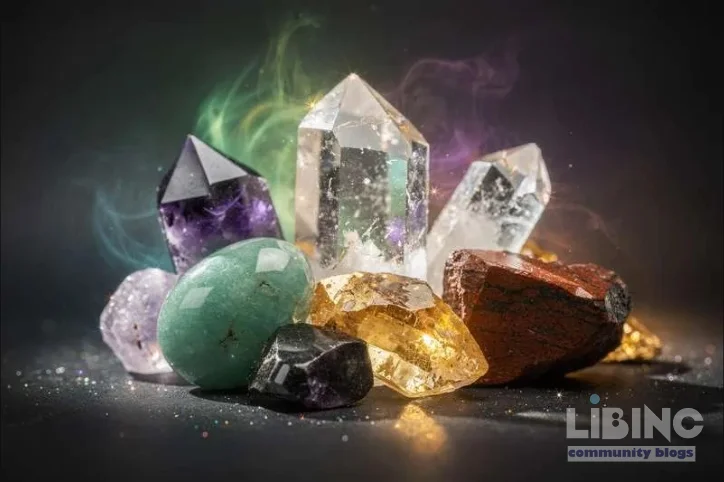
Health and wellness crystals occupy a distinct niche in holistic health. They are chosen for their purported ability to support the body s natural healing processes, restore vitality, and maintain energetic balance. In practice, these stones interact with the body s energy systems to influence physical healing, emotional stability, and spiritual well-being. Across civilizations, crystals have been deployed as tools for healing, protection, and longevity. Yet, their standing in modern wellness hinges on how clearly we can connect traditional usage with contemporary expectations of evidence, mechanism, and safety. This article examines health and wellness crystals through four analytic lenses, aiming to clarify what is known, what remains contested, and how practitioners can responsibly incorporate these stones into a broader health strategy.
Analytics Perspective: What Health and Wellness Crystals Do and How We Know
The central claim of health and wellness crystals is that they modulate the body s energy ecology in ways that support healing. To move beyond anecdote, we must translate these claims into testable questions and plausible mechanisms that can survive critical scrutiny. This section dissects the analytic terrain, focusing on mechanism plausibility, measurement constraints, and the boundaries between traditional knowledge and empirical validation.
Why this matters: wellness crystals are often marketed as direct, binding remedies. Yet the most credible position recognizes them as potentially supportive adjuncts rather than standalone cures. The analytic challenge is to separate plausible interactions with the body s systems from overstatements grounded in symbolism or confirmation bias. The body s healing capacity is real, and if crystals can influence it, the effect should be detectable through careful observation of physiological, psychological, and behavioral outcomes.
Key analytic questions include:
- What are the proposed biophysical interactions between crystal energies and bodily processes?
- What outcomes would constitute meaningful evidence of benefit (pain, sleep, immune markers, mood, functional status)?
- How do we distinguish placebo-driven changes from putative energetic effects?
- What are the confounding variables (sleep, nutrition, exercise, stress, concurrent medical treatment)?
From a biosystem perspective, health and wellness crystals may exert effects through several pathways. First, they can influence attention, mood, and autonomic balance via intentional practices and the context in which they are used. Second, repeated exposure to a familiar cue coupled with relaxation can reduce sympathetic arousal, modestly altering endocrine and immune signaling. Third, the microenvironment created by wearing or placing stones near tissue can alter perceived nociception and psychosomatic responses. While these pathways are not mutually exclusive, their magnitude is typically small and variable across individuals. This necessitates a rigorous framework for assessment and clear expectations about what constitutes clinically meaningful change.
In practice, the strongest analytic stance treats health and wellness crystals as adjuncts that may support existing medical or lifestyle regimens. They should not replace evidence-based care, nor should claims overstep the boundaries of what can be demonstrated. The most credible use aligns with holistic health principles: targeted use for symptom relief or well-being, explicit goals, and careful monitoring of outcomes over time. The analytical takeaway is to demand concrete, outcome-oriented demonstrations while acknowledging the value of patient-centered experiences in shaping personal healing journeys.
Evidence and measurement considerations
Measured outcomes matter. When evaluating wellness crystals, consider both subjective experiences and objective indicators. A robust assessment plan includes:
- Subjective measures: pain scales, sleep quality ratings, mood inventories, perceived energy, and functional capacity.
- Objective measures: blood pressure, inflammatory markers, cortisol levels, immune function indices, and sleep metrics from wearable devices.
- Process measures: adherence to usage protocols, consistency of practice, and environmental context (noise, lighting, stressors).
However, the nature of crystal-based effects often yields modest magnitude changes, which raises questions about clinical relevance. The analytical burden falls on study design and reporting standards. Pre-registration, clearly defined health endpoints, and transparent reporting of null results are essential to separate signals from noise in wellness crystal research. This is especially important given the wide variability among crystal types, preparation methods, and user experiences.
Contrast in Practice: Wellness Crystals Compared to Other Therapies
Wellness crystals exist within a broader ecosystem of complementary and integrative therapies. A meaningful evaluation requires direct comparison with other modalities across several dimensions: mechanism plausibility, safety, accessibility, cost, and time horizon of benefits. This section juxtaposes wellness crystals with conventional medicine, other CAM practices, and everyday wellness routines.
First, consider mechanism plausibility. Unlike pharmacological interventions with well-characterized targets and dose-response relationships, wellness crystals lack uniform domains of action. Their purported effects are often non-specific (stress reduction, improved sleep, mood stabilization) and thus more vulnerable to placebo amplification. On the other hand, therapies that leverage mindfulness, breathing, or physical activity produce demonstrable physiological changes via established pathways. The contrast is not a dismissal of wellness crystals but a reminder that specificity matters for meaningful health outcomes.
Second, safety and cost. Most wellness crystals pose low material risk when used sensibly, but porous stones can harbor contaminants or cause dermal irritation if not cleaned properly. Materials such as malachite or turquoise require caution due to copper content and copper-related toxicity concerns when not prepared correctly. These safety considerations sit alongside risk assessments for any home-based energy practice. When evaluating cost-effectiveness, the relative price of a crystal kit versus a course or device with validated metrics matters for long-term adherence and value perception.
Third, accessibility and user experience. Wellness crystals are easy to acquire, visually engaging, and highly customizable. This accessibility supports sustained engagement, an important predictor of any health-related behavior change. Yet easy access can also promote hasty decisions: selecting stones based on aesthetic preference rather than alignment with explicit health goals. The contrast here is with more prescriptive modalities that require clinician oversight or standardized equipment, which often yield more predictable therapeutic trajectories but at higher barriers to entry.
Finally, time horizon and durability of effects. The benefits of crystals—if present—tend to accumulate gradually and may wane if usage declines. In contrast, many conventional interventions produce rapid or clearly identifiable outcomes under proper administration. The practical takeaway is to position wellness crystals as part of a broader, goal-driven plan, where their value is measured alongside traditional therapeutics and lifestyle changes, not as a stand-alone, one-shot cure.
Cause-and-Effect Dynamics in Healing Crystals
Understanding cause-and-effect in the healing crystal domain requires tracing how practice, perception, and physiology interact over time. This section maps plausible sequences from initial contact with a stone to downstream health outcomes, highlighting feedback loops, time frames, and potential modifiers.
First-order causation often begins with intention and attention. The moment a person selects a stone and sets a health goal, cognitive focus intensifies, and autonomic balance can shift through relaxation and reduced rumination. This shift can lower cortisol, modulate the autonomic nervous system, and create a more conducive environment for healing processes. While not exclusive to energy-based explanations, this pathway shows how crystal practice can catalyze behavioral changes that support physical recovery.
Second-order effects emerge when crystals are used in structured routines—grids, placements, daily wear, and ritualized programming. A well-executed grid or deliberate placement near a symptom location can produce experiential changes that reinforce healthy habits, such as improved sleep hygiene or more consistent rest periods. The causal chain here is not a direct physical transduction by the crystal but a sequence: targeted use + attention + reduced stress → physiological changes that facilitate healing-oriented behavior.
Third-order dynamics concern long-term maintenance of health and resilience. Regular, intentional engagement with wellness crystals can contribute to a mindset oriented toward healing as a continuous process. This mindset fosters adaptive coping strategies, better symptom management, and higher adherence to medical advice. However, the durability of these effects depends on sustained practice and integration with other health-promoting activities. Without this integration, effects may diminish when novelty fades or when external stressors surge.
Risk-aware practice is essential in the causal chain. Certain stones require caution: malachite should not be used in water-based infusions due to copper content; selenite is water-soluble and can degrade when immersed; turquoise and other copper-containing stones can pose safety concerns if handled improperly. Acknowledge these cautions upfront to prevent adverse outcomes that would disrupt the healing process and undermine trust in wellness crystals as a therapeutic adjunct.
Expert Reconstruction: Integrative Protocols and Best Practices
The synthesis from analytic, comparative, and causal perspectives yields a practical framework for integrating health and wellness crystals into a responsible health strategy. This reconstruction emphasizes clarity of goals, rigorous usage protocols, mindful cleansing, and outcome-oriented evaluation.
Diagnostic and selection steps:
- Clarify goals: identify specific symptoms or wellness domains (pain, sleep, mood, energy) and set measurable targets.
- Stone selection: align crystal properties with goals (e.g., amethyst for relaxation, carnelian for vitality, green aventurine for cardiovascular balance).
- Safety screen: review known material cautions (avoid water exposure for porous stones; ensure stones are clean and handled safely).
Usage protocols that maximize reliability and minimize risk:
- Daily integration: wear crystals in jewelry or keep them in the workspace to maintain a consistent experiential cue.
- Targeted placement: position stones near symptomatic areas with intention (e.g., a stone over the chest for breathing comfort, near the abdomen for digestive concerns).
- Crystal grid design: arrange six to eight stones around the body with clear quartz directing energy toward the center. This is a practical approach to concentrate attention and intention, not a guarantee of direct energy transfer.
Care, cleansing, and recharging:
- Cleansing: use smoke cleansing (sage or palo santo), sound cleansing (singing bowls, tuning forks), moonlight, water (where safe), or earth burial for powerful refreshment. Each method has its own compatibility with stone type and energy needs.
- Recharging: expose to morning sunlight for 15–30 minutes if stone is sunlight-safe, or use a selenite charging plate for a gentle recharge without risk of photodegradation.
- Intention programming: hold the stone and clearly articulate your health goal before use, reinforcing a cognitive anchor for the healing process.
Monitoring progress and adjusting strategy:
- Track outcomes: maintain a simple health journal with symptom scores, mood ratings, sleep quality, and energy levels on a daily basis.
- Evaluate patterns: look for consistency across weeks, identifying any days with reduced adherence or external stressors that coincide with shifts in outcomes.
- Integrate findings: collaborate with healthcare providers when symptoms persist or worsen, ensuring crystals complement conventional care rather than replacing it.
Interdisciplinary considerations for practitioners and researchers:
- Standardized reporting: adopt common outcome measures and transparent methodology to facilitate cross-study comparisons.
- Contextual interpretation: recognize cultural, psychological, and personal belief systems as influential mediators of any observed effects.
- Risk management: document safety concerns, stone provenance, and cleansing practices to maintain ethical practice in wellness therapies.
Conclusion is not a single sentence but a practical stance: health and wellness crystals can serve as meaningful adjuncts within a broader, evidence-informed wellness strategy. The value lies not in a guaranteed physiological mechanism but in the disciplined integration of intention, routine, and careful observation. When used with clear goals, safety awareness, and ongoing evaluation, wellness crystals can support a holistic approach to health that respects both traditional wisdom and contemporary science.
Frequently Asked Questions About Health and Wellness Crystals
- Can wellness crystals cure disease? They are best viewed as complementary tools rather than cures. Always consult healthcare professionals for medical conditions.
- Do crystals need to be consecrated or charged? Many practitioners program crystals to align with healing goals, though scientific validation of programming remains limited.
- Are there stones to avoid with certain conditions? Yes. Porous stones like malachite or selenite require careful handling and specific usage guidelines to prevent hazards.
Ultimately, the value of health and wellness crystals rests on disciplined practice, transparent expectations, and integration with a comprehensive health plan. They are not a substitute for medical advice, but when used thoughtfully, they can contribute to a broader sense of vitality and resilience that supports healing in body, mind, and spirit.
Enhanced Measurement Framework for Health and Wellness Crystals
To translate analytic insights into actionable practice, practitioners should adopt a structured measurement framework that tracks outcomes and safety indicators over time. This approach aligns crystal use with explicit goals, transparent reporting, and integration with other health strategies, reducing reliance on anecdote and increasing accountability.
This framework emphasizes measurable health outcomes, safety monitoring, and iterative refinement, ensuring crystal practices complement conventional care while remaining grounded in patient experience and real-world data.
| Crystal | Use case | Evidence cue | Safety note |
|---|---|---|---|
| Amethyst | Relaxation | Mood and sleep notes | Low risk |
| Carnelian | Energy/drive | Subjective vitality | Porous stones require hygiene care |
| Malachite | Awareness of physiology | Safety cautions (copper) | Copper content concerns |
In practice, capture not only outcomes but process signals such as adherence and environmental context. This matrix supports quick comparisons and guides safe, goal-aligned practice.
In practice, estimate effects cautiously. The following mini framework helps structure daily routines and data capture:
- Define outcomes (pain, sleep, mood, function)
- Select stones by goals with safety check
- Establish routine, cleansing, and documentation
- Record outcomes and adjust strategy
Implementation roadmap
- Clarify goals and endpoints
- Choose aligned crystals with safety checks
- Establish routine and cleansing
- Record outcomes and adjust
Concluding note: practical value rests on disciplined practice, explicit goals, and ongoing evaluation of measurable health outcomes, within a safety-aware framework.
What outcomes should be measured when using wellness crystals?
Measured outcomes should be tangible and meaningful to the individual, including subjective experiences like mood, sleep quality, perceived energy, and functional capacity, alongside objective indicators such as blood pressure or wearable sleep metrics when available.
In practice, combine self-report scales with periodic physiological checks to distinguish real change from perception shifts, and predefine what would count as a meaningful improvement in collaboration with a healthcare provider.
How should crystals be used safely and effectively?
Begin with clear goals, use safety cautions for porous or copper-containing stones, and cleanse resources regularly. Pair crystal routines with established routines (sleep hygiene, breathing exercises) for synergistic effects rather than relying on crystals alone.
Keep usage consistent, document adherence, and adjust based on outcomes and comfort levels, ensuring no delay in seeking medical care when needed.
Can wellness crystals replace medical treatment?
They should not replace medical care. Crystals can complement evidence-based treatments when used as part of a broader wellness plan, with open communication to clinicians about any therapies being used.
This stance reflects the importance of safety, integration, and patient autonomy in holistic health strategies.
What are signs that crystals are not beneficial?
If there is no meaningful change after a sustained period, or if use introduces anxiety, distraction, or safety concerns (for example, improper handling of copper-containing stones), reconsider the approach and consult a clinician for guidance.
Continuous evaluation and readiness to modify or discontinue use are essential for responsible practice.
How should crystals be cleansed and recharged?
Use a cleansing method appropriate to the stone type (smoke cleansing, sound cleansing, moonlight, or earth burial) and a recharge method that suits the stone (sunlight for some stones, or a protected charging plate for others). Document the method and frequency to maintain consistency.
Regular cleansing supports ongoing intention work without compromising safety or stone integrity.





Add a comment
To comment, you need to register and authorize
Comments