

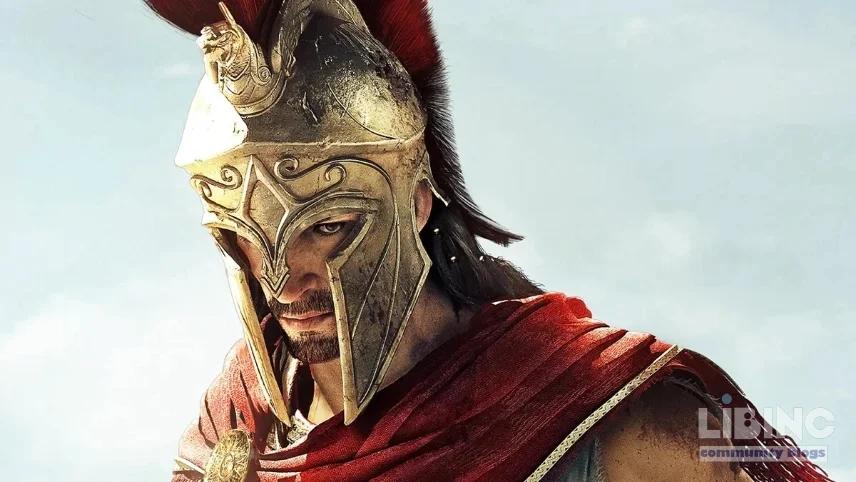
Odyssey After The Odyssey: An Analytical Exploration of Post-Film Game Parallels and Mythic Resonance
Table of Contents
- Analytics: The Odyssey as a Frame for Interactive Narrative
- Contrast: Classic Epic Pathways vs. Modern Game Design
- Cause–Effect: How Odyssean Choices Shape Player Agency
- Expert Reconstruction: Crafting Post-Film Experiences from Mythic Models
The Odyssey lands in theaters as a modern event, but the core of Homer’s epic is a journey that remains legible across media and centuries. After watching a film that chases monsters, gods, and a long voyage, audiences often crave interactive echoes—a personal voyage shaped by choice, consequence, and mythic timing. This article treats the Odyssey not as a static text to be admired, but as a living framework for game designers and players who want a comparable sense of scale, risk, and longing. The question is not just whether a game can imitate the epic, but whether it can reinterpret its logic to sustain a modern, interactive drama. The goal is to uncover how post-film games align with, depart from, or reframe the Odyssey’s enduring appeal.
To do this, we mobilize a four-part analytic structure. First, we parse how the Odyssey serves as a narrative scaffold for interactive experiences. Second, we contrast that scaffold with contemporary game design, highlighting where the original epic and today’s mechanics diverge. Third, we map cause-and-effect relationships between Odyssean decisions and outcomes in games, showing how modern titles translate fate, hubris, and divine meddling into player agency. Fourth, we offer an expert reconstruction: practical takeaways for designers seeking to capture the epic’s texture without sacrificing playability. The games cited below—ranging from Assassin’s Creed Odyssey to Immortals: Fenyx Rising and beyond—function as concrete exemplars of these patterns and tensions.
Analytics: The Odyssey as a Frame for Interactive Narrative
The Odyssey offers a robust template for analyzing interactive narratives because it marries voyage, danger, and homecoming with a persistent interior drive: a protagonist who must complete an arduous return against overwhelming odds. In screen-based stories, that frame translates into level layouts, quest chains, and pacing rhythms that mimic a long sea voyage. In games, the same dynamic becomes a mutable arc where the player’s actions reorder events, alliances, and dangers. The Odyssey is not merely a backdrop; it is a meta-structure that invites players to test resolve, loyalty, and strategic judgment against a world governed by both mortal and divine rules. The epic lens reveals how creators balance spectacle with motive, and how audiences expect a return to a meaningful home after traversing mythic spaces.
For post-film game experiences, the Odyssey informs three core axes of analysis. Axis one centers on voyage calculation: navigation, seafaring motif, and island-hopping that mirror Odysseus’s travel log. Axis two examines antagonistic scale: monsters, gods, and rival players in multiplayer or emergent storytelling. Axis three tracks moral economy: reputational stakes, divine sanction, and the pressure of making consequential choices in a world that feels larger than any single hero. In practice, games like Assassin’s Creed Odyssey translate epic journeying into a sprawling RPG where the player navigates a coast-to-coast map, encounters gods and mortals alike, and repeatedly negotiates fate through decisions that echo the Homeric debate between improvisation and providence. The result is a hybrid of epic poet’s scope and game designer’s modularity, where narrative weight remains intact even as the path through it becomes personal.
- Odyssey as map and motif: navigation, coastlines, and episodes that test endurance.
- Mythic encounter design: cycles of encounter, puzzle, and combat that evoke sirens, Cyclopes, and talismanic checks.
- Character-centred causality: choices that reshape loyalties, alliances, and homecoming prospects.
The upshot is that the Odyssey functions as a software architecture for narrative depth: a living blueprint for how to orchestrate pace, danger, and meaning. In post-film games, this translates into a design language where the hero’s journey cannot be rushed, and the audience’s imagination is enlisted to fill in the gaps between set pieces. The best examples, including Hades and Assassin’s Creed Odyssey, demonstrate that mythic resonance and interactive dynamism can coexist without erasing each other’s logic. In other words, the epic’s spirit survives not only as content but as a method for shaping player perception and commitment through time and choice.
Contrast: Classic Epic Pathways vs. Modern Game Design
Even when a game aspires to replicate the Odyssey’s scope, it must negotiate the realities of contemporary interactivity. The Odyssey’s wanderings are continuous, yet games segment progress into discrete sessions. This creates a tension: the epic thrill of an uninterrupted voyage competes with the designer’s need for milestones, rewards, and feedback loops. The result is a negotiation between a seamless sea-journey aesthetic and modular game mechanics that reward repeated exploration and strategic experimentation. In practice, the contrast surfaces as a shift from singular, linear fate to player-authored branches and re-playable loops that honor the epic’s insistence on consequence while preserving gameable momentum.
Consider a spectrum of post-film titles that bridge these impulses. On one end, Hades offers a roguelike loop in which each ascent refashions the hero’s route toward a near-mythic homecoming. The loop preserves Odyssean motifs—home, family, divine meddling—yet dissolves the linear constraint of a single voyage into infinite micro-journeys. On the other end, Immortals: Fenyx Rising foregrounds exploration and puzzle-solving on a piece of mythic landmass, focusing on atmosphere and mythological interaction more than an arduous return. These contrasts illuminate how modern design chooses different kinds of risk, pacing, and revelation while still feeling tethered to a shared mythic core. The shared lesson is that the Odyssey can be reimagined as both a vessel and a toolkit, depending on whether the emphasis is narrative propulsion or worldbuilding texture.
- Narrative propulsion vs. replayability: the balance between a singular epic arc and recurring gameplay loops.
- Linear fate vs. branching agency: how choice reshapes mythic outcomes without betraying the epic’s logic.
- Atmosphere and mythic texture: verticality of gods, monsters, and divine interference as design levers.
In the referenced games, the Odyssey’s influence appears as a design discipline rather than a script. The player’s perception of danger, mastery, and homecoming evolves as mechanics align with mythic expectations. This alignment demands a careful calibration: the epic’s gravity must be felt through gameplay tempo, not solely through cutscenes or prose. When designers succeed, players sense a continuity with the Homeric drama—even as they discover new ways to navigate its terrain. The outcome is not a direct retelling but a re-voicing of the epic voice within interactive space, where agency remains central without dissolving the epic’s moral weight.
Cause–Effect: How Odyssean Choices Shape Player Agency
The Odyssean universe operates through a spine of cause and consequence that translates naturally into game systems. The godly chorus, the temptations of the Sirens, and the practical concerns of ship management all become mechanisms through which players learn to read risk and reward. The Odyssey teaches that long journeys hinge on disciplined decision-making, not merely on heroic prowess. In post-film games, that lesson becomes a design rule: each major choice must reverberate through the world in meaningful ways, shaping terrain, relationships, and future opportunities. The player should feel that small acts set off ripples that gradually redefine the voyage and the possibility of return.
In practice, cause–effect in Odyssey-inspired games operates through three linked channels. First, risk schedules and resource management force a recalibration of strategy as the voyage unfolds. Rationale is tied to in-game consequences, so players learn that endurance and foresight matter more than brute force alone. Second, relationship webs with companions and deities produce conditional dialogue, alliance shifts, and favorable or hostile interventions. Fate and agency intertwine, echoing Homeric debates about prudence and hubris. Third, environmental storytelling and world-state variables reveal the moral texture of decisions, such as whether to honor promises or seek shortcuts that undermine long-term payoff. The result is a layered architecture in which choices carry weight in both the short term and the long arc of return.
- Resource management shaping strategy: endurance, provisioning, and route selection alter outcomes.
- Companion dynamics and divine influence: alliances shift narrative options and future events.
- Morality and long-term payoff: ethical choices modify homecoming viability and social capital.
Several games illustrate this pattern vividly. Assassin’s Creed Odyssey embeds political factions and ship-based diplomacy that force players to balance personal goals with wider consequences. Hades encodes a relentless loop where every death teaches a new approach to ascent, echoing Odysseus’s learning curve as he negotiates mortal and immortal pressures. The Legend of Zelda: The Wind Waker, while not Greek, employs a similar rhythm of repeated voyages and evolving weather and sea conditions that force players to adapt to changing risk. Together, these examples demonstrate how the Odyssey’s logic persists not as a rigid script but as a fluid framework for meaningful, repeatable exploration.
Expert Reconstruction: Crafting Post-Film Experiences from Mythic Models
Designers seeking to harness the Odyssey’s enduring lure must treat myth not as costume but as a systems language. The first priority is to translate epic grandeur into interactive tempo: the sense that the voyage itself matters, that every episode has stakes, and that return remains the ultimate horizon. The second priority is to embed moral and symbolic complexity into mechanics. Absent this, games risk feeling like action boxes wrapped in mythic gloss. The Odyssey, in its core, challenges players to negotiate limits—of time, space, and desire—and the best post-film experiences translate those negotiations into play mechanics that reward patience, curiosity, and ethical reflection.
Practical takeaways emerge from examining titles that align with the Odyssey’s spirit. First, ensure that the voyage structure is legible in map design, pacing, and quest distribution. Second, weave divine or fate-based interference into gameplay as a meaningful constraint rather than mere flavor. Third, legitimate, repeatable exploration must coexist with a coherent sense of progress toward a homecoming destination. Fourth, integrate standout mythic figures—whether Circe, Sirens, or wary patrons of fate—as recurring motifs that guide the player’s journey without stalling the core loop. This approach yields a post-film experience that feels both timeless and contemporary, a new chapter in the ongoing tradition of the Odyssean hero’s journey.
- Voyage architecture as core design principle: map, rhythm, and episodic pacing must mirror epic travel.
- Mythic interference as mechanic: gods or fate alter options in a way that preserves tension.
- Return as horizon, not finish line: homecoming remains an open, evolving objective.
With these elements in place, developers can cultivate a critical and commercial audience that recognizes the Odyssey’s resonance while embracing innovative gameplay. The result is a suite of post-film games that do not merely imitate ancient Greece or Homeric episodes; they reinterpret the epic’s core logic for a modern, interactive audience. The Odyssey’s enduring message—home, memory, and the test of endurance—stays visible in the most successful titles, even as their mechanics and aesthetics shift to match contemporary expectations. This synthesis of old and new, myth and mechanism, is where post-film experiences find their most compelling form. The Odyssey lives on, not as a frozen page, but as a living design principle that continues to shape how players experience epic journeys in games.
Closing the Bridge: Practical Pathways
To translate the Odyssean frame into durable gameplay, designers should anchor the voyage in legible milestones, tangible signals of return, and visible moral costs. The compact blueprint below maps three core axes to concrete mechanics that stay true to myth while serving modern play.
| Aspect | Mechanic | Odyssean Echo | Player Tip | Example | Impact |
|---|---|---|---|---|---|
| Voyage rhythm | Map pacing | Sea voyage cadence | Plan routes | Coastal arcs | Builds anticipation |
| Divine interference | Fate constraints | Godly checks | Brace for curveballs | Circe encounters | Maintains epic tension |
| Homecoming goal | Return metric | End-state horizon | Balance side-quests | Final quest chain | Keeps focus on return |
| Morality loop | Ethical costs | Reputation, favors | Weigh long-term | Shifting alliances | Deepens narrative texture |
- Step 1: Define the voyage anchor on the map with a visible port of return
- Step 2: Tie divine acts to player choices through conditional dialogue
- Step 3: Calibrate reward cadence to reflect progress toward return
- Step 4: Use recurring mythic motifs as guides without stalling the core loop
With these alignments, post-film experiences can feel timeless and contemporary at once, offering a living epic where patience, curiosity, and ethical reflection shape both the journey and the destination.
How does the Odyssey framework influence modern interactive narratives?
The voyage-structured frame guides pacing, stakes, and player agency, ensuring choices echo beyond single scenes.
Analytically, this approach harmonizes episodic play with a persistent horizon, helping players sense a cohesive epic texture across sessions.
What drives genuine player agency in Odyssey-inspired games?
Player agency stems from choices that alter future options, relationships, and the game's world state. This creates living causality rather than isolated outcomes.
In practice, agency emerges when decisions reshape alliances, resources, and paths to homecoming.
How should divine interference be integrated without breaking immersion?
Divine acts should function as meaningful constraints that modify options or risks, not mere flavor. They depend on prior choices and offer tangible trade-offs.
This preserves epic tension while keeping the player at the center of the evolving story.
Which games best exemplify the Odyssean design language?
Assassin’s Creed Odyssey and Hades are prime examples, blending epic scope with recurring loops, evolving relationships, and fate-driven consequences.
These titles demonstrate how mythic texture can coexist with tight, repeatable gameplay systems.
How can developers make homecoming an evolving horizon rather than a final endpoint?
Anchor homecoming to ongoing exploration, with recurring mythic motifs and evolving NPC relationships that shift across play sessions.
This approach keeps players engaged by making return a live, revisable objective rather than a fixed destination.
What metrics indicate success for Odyssey-inspired experiences?
Retention, depth of consequential choices, and progression toward a living horizon are key measures, along with dynamic shifts in NPC trust and faction balance during play.
Successful titles show a clear loop where each return reveals new questions and options.







Add a comment
To comment, you need to register and authorize
Comments