

UK Summer Outdoor Experiences: Nature Trails, Coastal Escapes and Heritage Adventures
Table of contents
- Block 1 — Through analytics
- Block 2 — Through contrast
- Block 3 — Through cause-and-effect relationships
- Block 4 — Through expert reconstruction
- Conclusion
Britain’s summer offers a mosaic of outdoor experiences, from windswept coasts and sunflower-dotted fields to ancient woodlands and heritage sites. Yet travelers confront a paradox: the sheer breadth of options can overwhelm, and the most celebrated venues may miss the core appeal of outdoor immersion—an authentic encounter with landscape, wildlife and culture. The stakes are practical as well as experiential: a well-planned itinerary yields richer wildlife sightings, better timing for tides and weather, and a lighter footprint; a misaligned plan invites crowds, disappointment, and stress. The hidden conflict lurks in seasonality, logistics, and access—tides, buses, entry fees, and opening hours—often deciding what counts as a memorable day more than glossy marketing. This analysis structures Britain’s summer outdoor experiences into four analytical lenses and shows how travelers can exploit them for maximum payoff.
Block 1 — Through analytics
The first block instruments the landscape of UK summer outdoor experiences with a sober, data-informed lens. The core insight is not simply that these experiences exist, but how their value is shaped by seasonality, accessibility, and ecosystems. We observe four interlocking patterns that recur across regions and types of sites:
- Coastal and riverine experiences dominate in summer light, with tide windows and winds shaping day plans; this creates predictable peaks in wildlife watching, water sports, and shoreline recreation. In ecological terms, these are coastal and estuarine systems where biodiversity thrives on nutrient flows and habitat mosaics.
- Woodland and upland trails compete for attention with larger-scale attractions, offering deeper immersion but requiring planning for weather, daylight, and terrain. Biodiversity is denser here, with butterflies, red squirrels, and wildflowers flowering on a variable timetable that rewards local knowledge and seasonality.
- Heritage and culture sites anchor longer itineraries, pairing outdoor activity with educational experiences and hands-on workshops. These become especially potent when linked with nature trails or farm-and-forest settings that extend the stay beyond a single afternoon.
- Seasonal special events and displays—sunflower fields, art installations, open-air cinema, and theatre—amplify the draw but also introduce volatility: access, pricing, and crowding vary by week and weather, creating both opportunities and risks for planning.
From a biodiversity and ecotourism perspective, the value of a trip hinges on visitor experience, not solely on sight counts. The most successful itineraries balance exposure to wildlife with meaningful human-scale encounters—be it a veteran tree canopy walk, a guided round of bat detectors at dusk, or a sunken-dune walk where the flora and sand reveal a living coastline. This requires a framework that treats visitor flow as a function of seasonality, geography, and infrastructure, rather than as a static list of attractions.
Within this framework, the material highlights several representative clusters that recur across Britain’s external spaces:
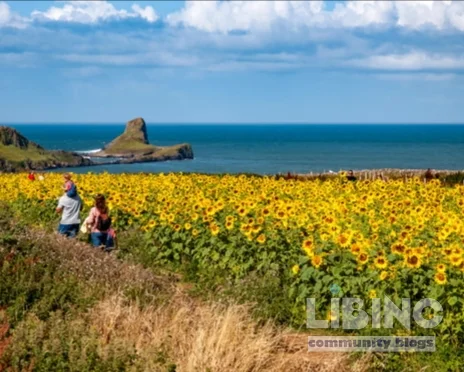
- Coastal and marine interfaces where tides, beaches, and estuaries shape access and wildlife watching (for example, tidal crossings around Worms Head or sea-watching opportunities along the Moray Firth).
- Rural and vineyard landscapes that blend agriculture, biodiversity, and leisure (sunflower displays, wildlife walks through vineyards, and farm-based play trails).
- Historic and artistic hubs that graft outdoor exploration onto cultural education (Salth Mill’s post-industrial landscape, Henry Moore Studio adjacent to gardens, and Quentin Blake’s illustration spaces).
- Nature reserves and wildlife hubs that offer structured learning and citizen science, from butterfly counts to osprey monitoring and dolphin watching.
Practical implications
Operators and planners should quantify accessibility and capacity around peak weeks, and design layered experiences that scale from family-friendly to more niche wildlife encounters. The aim is to convert general interest in nature and heritage into durable, repeatable visits that minimize friction while maximizing ecological sensitivity and local engagement. In practice, that means pairing free or low-cost outdoor spaces with paid, value-rich experiences that offer flexibility and predictability for families and longer-stay visitors alike.
LSI terms: ecotourism, biodiversity, visitor experience, seasonal patterns, coastal ecosystems, heritage interpretation, wildlife watching, sustainable travel.
Block 2 — Through contrast
Contrast clarifies what works and what doesn’t when the same broad category of outdoor experience is delivered in different contexts. The contrasts below illuminate how the same type of activity can be reinterpreted by geography, infrastructure, and governance—producing divergent outcomes for visitors and local ecosystems.
- Iconic coastal hubs versus quiet nature reserves: Rhossili Bay and similar beaches attract large crowds and intense water-sport use, yet they sit alongside quieter reserves like Magdalen Hill Down or Dyfi Osprey Project, where the emphasis shifts toward wildlife watching and education rather than sheer scale.
- Heritage-rich venues versus agricultural or forested play trails: Salts Mill and the Quentin Blake Centre offer immersive arts milieus with curated spaces, while Moors Valley and Sherwood Pines deliver kinetic, tree-top or trail-focused play that is more about physical engagement than curated narratives.
- Seasonal spectacle versus year-round access: Sunflower fields peak for a defined window, while places like Crom Estate or the Cairngorms offer more consistent, long-season activity with wildlife watching and hiking as default modes of exploration.
- Large-scale productions versus intimate, local discoveries: Kynren’s epic historical staging draws large audiences and complex logistics, contrasted with small-scale nature reserves where guides and self-led trails foster intimate encounters with habitat and history.
The contrasts reveal a persistent tension: larger, well-known sites deliver efficient, high-impact experiences but at higher costs and with greater crowding; smaller, locally managed sites offer deeper immersion and sustainability gains but may require more planning and flexibility. For travellers, the lesson is to design itineraries that interleave marquee experiences with offbeat discoveries to balance impact, cost, and stress. This approach also broadens exposure to biodiversity and cultural heritage, a core aim of sustainable tourism initiatives.
LSI terms: destination diversity, visitor crowding, interpretive quality, accessibility, seasonal windows, sustainable travel, community-led tourism.
Block 3 — Through cause-and-effect relationships
Understanding what drives outcomes in outdoor travel helps explain why certain experiences land more reliably than others. The causes are multi-layered, spanning natural cycles, human governance, and logistical design. The effects cascade through visitor satisfaction, ecological impact, and local economies.
- Seasonality and biological timing: The sunflower display in July–August, butterfly migrations, and butterfly counts all hinge on weather and pollinator cycles. The Big Butterfly Count, for instance, becomes a useful planning signal for families and schools when it aligns with open-site access and guided activities at places like Magdalen Hill Down.
- Tide schedules and coastal access: Places such as Worms Head require attention to tidal times; a mis-timed crossing can strand visitors, impacting safety and day-length planning. The cost of misalignment includes disrupted itineraries, unsafe conditions, and possible environmental disturbance from increased rescue attempts.
- Governance and management frameworks: National Trust, Forestry England, and other stewardship bodies shape access, parking, and on-site interpretation. Their decisions directly affect crowd control, safety, and ecological integrity, influencing visitor experience quality and repeat visitation rates.
- Infrastructure and mutability of price: Entry fees, car parking charges, and pay-per-activity models alter participation rates and the relative affordability of curated experiences. When pricing is predictable and transparent, families and casual travelers can plan longer, more diverse trips with higher ecological literacy and satisfaction.
In practical terms, cause-and-effect reasoning suggests two actionable patterns for travellers and operators alike: first, align visits with ecological and cultural windows to maximize sightings and interpretive value; second, build flexible, modular itineraries that absorb weather and access variability without collapsing into frustration. The ecological dividend is not merely anecdotal; it translates into more meaningful encounters, higher memory retention, and stronger advocacy for conservation and sustainable tourism practices.
LSI terms: weather windows, wildlife cycles, visitor satisfaction, crowd management, sustainability indicators, responsible tourism.
Block 4 — Through expert reconstruction
What would an expert blueprint look like for packing maximum value into a UK summer outdoor itinerary? The reconstruction combines data-informed sequencing, cross-site synergies, and practical resource management. The recommendations below reflect how markets, ecosystems, and culture intersect to shape a compelling, responsible travel experience.
- Curated, modular itineraries: Build 2–3 day blocks that pair a coastal landscape with a woodland or vineyard experience, followed by a heritage site or cultural workshop. Each block should balance exertion, learning, and rest, with predefined windows for wildlife watching or guided tours.
- Seasonal calibration: Schedule sunflower or butterfly-viewing segments during peak bloom or migration, and align visits to tide tables for coastal crossings or coastal-wilderness hourglasses. This approach yields higher probability of encounter and engagement while preserving ecological integrity.
- Integration of heritage and nature: Couple outdoor time with museum or studio sessions to deepen interpretation and extend dwell time. For example, a visit to Salts Mill or the Quentin Blake Centre can be paired with nearby outdoor routes to maintain energy and curiosity across the day.
- Community and sustainability focus: Prioritize sites with clear conservation ties (butterfly reserves, osprey projects, nature reserves) and support local economies by choosing on-site eateries and crafts that emphasize local sourcing and stewardship. This strengthens the visitor’s ecological literacy and reduces environmental footprints.
- Risk-aware planning: Build contingencies around weather and tides, with backup activities that preserve experience value even when conditions are less forgiving. A well-prepared traveler can switch from a wind-swept beach to a forest trail, or swap a long car ride for a short, scenic circuit with a wildlife highlight.
In practice, expert reconstructions converge on a simple truth: the most satisfying UK summer outdoor experiences emerge not from pushing a single climax, but from orchestrating a series of meaningful encounters across landscapes, times, and communities. The result is a durable, scalable model of travel that benefits visitors, hosts, and habitats alike.
LSI terms: ecotourism strategy, visitor experience optimization, heritage interpretation, sustainable tourism practices, cross-site itineraries, community-led tourism, local economies.
Conclusion: A practical synthesis for travelers and operators
The UK’s summer outdoors offer a portfolio of experiences that, when understood through analytics, contrasted contexts, cause-and-effect logic, and expert reconstruction, reveal a path to richer engagement and sustainable enjoyment. The key is not merely to visit famous sites, but to orchestrate a sequence of time-aware, place-aware encounters that respect ecology, empower local communities, and accommodate the uncertainties of weather and seasonality. A well-designed itinerary balances coast and country, art and nature, and the thrill of activity with the quiet clarity of good interpretation. When travellers approach the summer landscape with this framework, they unlock deeper satisfaction, more robust ecological outcomes, and a stronger sense of connection to Britain’s diverse outdoors.
Closing the planning gap with a modular itinerary blueprint
To translate insight into action, travelers need concrete, adaptable templates that work across coast, woodland and heritage settings. The following blueprint demonstrates a practical, repeatable pattern that preserves ecological sensitivity while elevating visitor experience, balancing daylight, tides and pacing across a 2–3 day window.
- Day 1: Coastal estuary and beach walk 4–6 km along tidal margins, dawn or dusk watch, optional boat or wildlife talk.
- Day 2: Woodland trail plus heritage site ancient woodlands, butterfly counts, visit to a nearby studio or museum to deepen context.
- Day 3: Farm, vineyard, or garden loop seasonal displays, farm trails, local craft stop, finish with a community eatery.
Contingency planning ensures continuity. If rain closes a coastal crossing, switch to a forest circuit with birding windows; if heat peaks, swap to sheltered trails with interpretive stops.
| Block | Activity Type | Duration | Ecological Focus | Accessibility |
|---|---|---|---|---|
| Day 1 | Coastal estuary walk | 4–6 km | Shoreline habitats | Easy–moderate |
| Day 2 | Woodland trail + heritage | 6–8 km | Butterflies, trees | Moderate |
| Day 3 | Farm/vineyard loop | 3–5 km | Pollinator hedges | Easy |
Implementation cues: pair outdoor blocks with heritage pauses to extend dwell time, then finish with a local, sustainable meal. A simple weather desk (two options per day) keeps plans resilient and reduces decision fatigue while supporting conservation goals and local economies.
- Modular pattern summary: 2–3 day blocks; coast + woodland; heritage tie-ins; contingency options.
- Measures of success: dwell time, wildlife sightings per hour, and repeat bookings by families.
- Blueprints: regional clusters that support cross-site itineraries and sustainable travel choices.
- Notes on accessibility, pricing transparency and community engagement to maximize ecological literacy and local benefit.
Modular itinerary blueprint tree
- Core pattern 2–3 day blocks with coast, woodland, and heritage elements
- Coastal loop
- Woodland walk
- Heritage studio stop
- Region choices adapt blocks to local ecosystems and schedules
What is a modular UK summer itinerary and how does it improve experiences?
A modular UK summer itinerary is a flexible planning approach that divides a travel period into short blocks, each pairing different landscapes such as coast, woodland, and heritage with a clear learning aim and low friction logistics. The pattern supports energy management, reduces decision fatigue, and aligns activities with ecological timing and cultural programming. For example, a 3-day sequence can begin with a sunrise estuary walk, continue with a local heritage studio visit, and finish with a farm-to-table meal in a nearby village. This structure yields steadier engagement and richer interpretation across diverse settings.
Analytically, modular planning improves visitor satisfaction by spreading impact across multiple habitats and communities, while enabling interpreters to tailor content to each block. Practically, travelers should map distances, tides, and opening hours in advance, then build two alternate options per day to preserve flow when conditions shift.
How should tides and seasonal patterns influence daily planning?
A tidal schedule and seasonal timing dictate safe crossings, wildlife activity windows and daylight use. Begin with a base plan aligned to known tides, then insert fallback routes that stay within similar distance and effort but swap the coastal crossing for a woodland loop or a museum stop. This reduces disruption, maintains encounter value, and minimizes crowding by distributing visits across time slots. Practically, check tide timetables the night before and keep a mobile plan that can switch seaside time to shelter trails in minutes.
In practice, tides act as calendar anchors that improve predictability and safety while supporting ecological sensitivity by avoiding peak disturbance periods and encouraging staggered visits.
Which site types deliver best value for families?
A balanced mix of coastal, woodland, and heritage venues provides diverse learning formats and energy levels suitable for families. Coastal strolls offer breadth and tide-based excitement, woodlands deliver quiet biodiversity engagement, and heritage sites add context and hands-on activities. The best families combine two outdoor blocks with one interactive cultural activity, then swap in a local market or farm experience to reinforce learning and support community economies. This approach increases dwell time, promotes repeat visits, and builds ecological literacy across age groups.
Analytics show families respond positively to consistency, clear wayfinding, and safe, family-friendly routes that still offer opportunities for wildlife spotting and storytelling.
How can visitors support local communities while exploring outdoors?
Support comes from choosing providers with transparent conservation goals, using locally sourced food and crafts, and respecting guiding principles that protect habitats and reduce waste. Families and solo travelers alike can participate in citizen science, attend community-led events, and buy seasonal products from nearby farms or studios. This direct support strengthens economies, improves interpretive quality, and fosters a sense of shared stewardship between visitors and hosts.
Community engagement improves visitor outcomes by creating authentic experiences and reinforcing sustainable travel norms that benefit habitats and residents alike.
What practical steps help minimize environmental impact?
Start with advance planning: map two day-block options per day, check local access rules, and choose low-impact transport options where possible. Pack reusable water bottles, reduce single-use plastics, and stay on established paths to protect sensitive habitats. Finally, support sites with active habitat restoration or biodiversity programs and participate in guided activities that emphasize low-impact ways to observe wildlife. Small daily choices add up to meaningful ecological gains and a richer travel experience.





Add a comment
To comment, you need to register and authorize
Comments
To move from insight to practice, we could consider several strategies. First, develop modular day blocks that can be recombined into longer trips, with explicit guidance on what to do during peak crowds or when weather changes quickly. Second, implement adaptive pricing and booking windows that reflect seasonal variability and capacity constraints, avoiding situations where a single event becomes financially or ecologically unsustainable. Third, create interpretive networks that connect heritage sites with nearby nature reserves, encouraging participants to see cultural expression as part of a living landscape rather than a separate attraction. Fourth, invest in community-led or co-created experiences where local residents and conservation groups contribute knowledge, food and craft experiences, and stewardship values. By foregrounding local identity and sustainable practices, the contrast also becomes a selling point: visitors can enjoy a high-quality, immersive experience that is more likely to be memorable and repeatable.
Yet a practical risk emerges: the more dispersed and bespoke the itinerary, the higher the cognitive load on travelers and the more fragile the supply chain becomes. How can operators build reliable, predictable experiences without sacrificing flexibility? One approach is to offer a curated sequence of 2–3 day blocks, with clear expectations about travel times, opening hours, and the best times for wildlife watching. Another is to provide real-time updates via a lightweight app or email alerts about weather, tides, and capacity, enabling visitors to re-route on the same day. Finally, marketing messages must be careful not to glamorize crowded iconic sites at the expense of smaller communities and habitats. Emphasizing accessibility, affordability, and conservation outcomes can help reframe the appeal of contrasts from mere variety to responsible, meaningful exploration. What has your experience been? Do your travels favor the big-name venue with a well-told narrative, or do you prefer discovering a hidden reserve where every pause yields a botany lesson or birdsong? How do we balance the allure of the next big Instagram moment with the quiet privilege of seeing nature and heritage up close, without trampling the very things that drew us there in the first place?
From a discussion perspective, I’d like to explore how we can operationalize the concept of visitor flow as a function of seasonality and infrastructure. What data should planners collect to predict peak weeks without resorting to science-fiction projections? Could a simple model that combines tide tables, daylight hours, and local mobility constraints help families choose between a crowded site and a more intimate reserve? How can we ensure that ecotourism remains accessible to diverse audiences while maintaining ecological sensitivity? And what role do local communities play in co-creating meaning, beyond providing a backdrop for natural beauty? The article hints at pairing free outdoor spaces with paid, value-rich experiences. How do we measure the value added by interpretation—whether it’s a bat-detector session at dusk or a cross-site heritage talk—versus the cost to visitors and to the site’s conservation goals?
These questions invite a broader debate about the purpose of a summer outdoor itinerary. Is the aim to maximize sightings and tick off must-see sites, or to cultivate a recurring habit of nature- and culture-based exploration that travels across seasons and regions? Might the most resilient itineraries be those that emphasize local identity, stewardship, and slow travel rather than the spectacle of a single flagship moment? I would be interested to hear concrete examples of itineraries that have succeeded in delivering high-quality visitor experiences while distributing demand in a way that respects fragile habitats and seasonal constraints. In short, Block 1 provides a compelling argument for rethinking what counts as success in summer outdoor travel, shifting the focus from superficial coverage to durable engagement.