

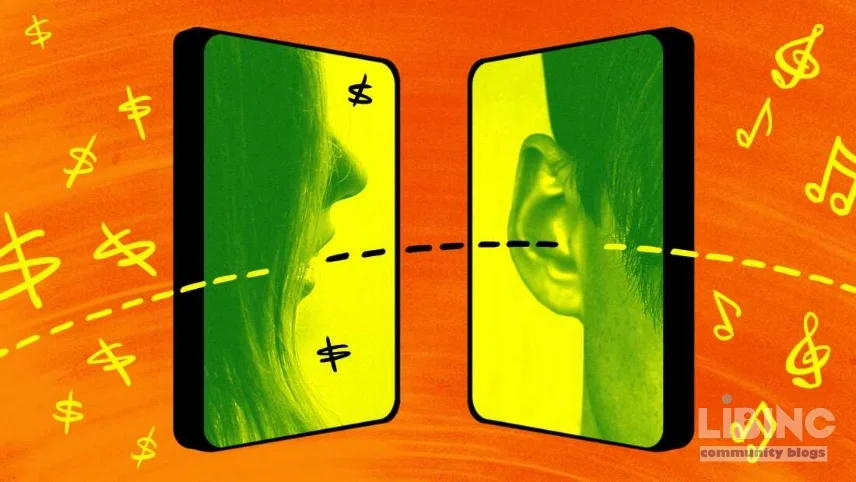
Music influencer marketing transparency: how pay-to-play reshapes music discovery in the social media era
Music discovery now hinges less on curated magazines or radio dials and more on the scroll of social feeds. Influencers have become the new gatekeepers—trusted voices who shape what listeners hear next. Yet beneath the surface, a growing portion of this content operates as paid promotion, often without clear disclosure. The result is a paradox: the same platforms that democratize taste also centralize influence through sponsorships, contracts, and algorithmic amplification. As fans chase authenticity, the industry tests the boundaries between genuine recommendation and paid advocacy, raising urgent questions about trust, accountability, and the future of discovery.
Analytics: Mapping the landscape of music influencer marketing transparency
The ecosystem around music influencers runs on a hybrid economy. Content creators attract audiences with personal tastemaking, while labels and agencies inject capital to accelerate reach. This creates a two-tier dynamic: the visible, unpaid recommendations that fans trust, and paid promotions that fund production yet risk eroding that trust when disclosure falters.
From a data perspective, several patterns stand out. First, campaigns increasingly favor performance-based structures rather than flat-rate postings. The shift to cost-per-mille campaigns—where earnings scale with views—aligns incentives with rapid virality, but it also incentivizes sensational or algorithm-friendly content. This is a core reason why some posts flood feeds after a single hit video, creating volatility in earnings and risk profiles for indie artists. LSI: FTC guidelines, pay-for-play, algorithmic amplification.
- Rate cards and pricing: Reported ranges for song promos span roughly $150–$400 per post, with higher-end campaigns reaching $400 per video in some cases, especially around major-label artists or high-stakes campaigns. A separate tier exists for broader asset placements, like interviews or non-song content, which can be lower or higher depending on scope.
- Pay-for-play mechanics: In practice, labels often request a rate card, draft videos for approval, and pay upon final sign-off. Payments typically occur even when the creator would have covered the song organically, creating a blurred line between endorsement and promotion.
- Platform-driven economics: Platforms reward engagement; creators optimize for views, comments, and shares. This feeds into a feedback loop where paid promos are engineered to maximize reach and, by extension, the label’s or artist’s metrics. LSI: burner accounts, brand deals, disclosure compliance.
Behind the numbers, the economics reveals a fundamental tension: the more money flows into amplification, the more fans encounter content that may or may not reflect the creator’s genuine taste. FTC guidance emphasizes transparent disclosure when there is a financial relationship with a brand, but enforcement is uneven across platforms and formats. The practical challenge is codifying this in a fast-moving, creative medium where audiences expect authenticity. LSI: disclosure, sponsored content, transparency.
Contrast: open disclosure vs undisclosed promotions in music influence
Two worlds exist side by side in today’s music influencer scene: creators who publicly disclose paid promotions and creators who view disclosure as a potential drag on engagement. The contrast matters because trust functions as a currency in music communities. When audiences feel manipulated, they punish the creator with silence or negative sentiment; when disclosures are clear, fans reward creators for honesty and consistency with taste—even if the content includes sponsorship.
The open-disclosure model has benefits beyond compliance. It clarifies boundaries between taste and commerce, preserving the perceived integrity of recommendation content. It also helps fans form calibrated expectations about the content they consume. In contrast, undisclosed promos erode trust once audiences suspect manipulation, triggering a broader skepticism about the integrity of online music discourse and fueling accusations of “industry plants” or “nepo babies” infiltrating feeds. LSI: authenticity, industry plants, nepo baby, disclosure labeling.
- Indie vs major label dynamics: Creators often balance authenticity with access. Indie acts rely more on discovery-driven campaigns and may accept lower fees to boost visibility, while major-label campaigns deploy higher budgets and more aggressive tie-ins, risking audience fatigue if not carefully managed. LSI: indie acts, exposure budgets.
- Creators’ ethics vs commercial pressure: Some creators maintain a strict no-pay approach to preserve trust, while others accept compensation but label it clearly as sponsored. The tension hinges on long-term reputational risks and the difficulty of maintaining credibility when audiences learn of undisclosed promotions. LSI: ethics, transparency, ad labeling.
- Fan reactions and backlash: When campaigns surface without clear disclosures, fans often accuse the creators of “selling out,” which can reduce engagement and undermine long-term impact on an artist’s career. LSI: audience trust, backlash, sponsorship disclosure.
Policy-makers and platforms are responding with varying degrees of specificity. The Federal Trade Commission provides broad guidance on disclosures but leaves room for interpretation in music content, where the product is listening rather than a tangible item. In practice, creators report mixed experiences: some receive explicit instructions to label posts as ads, while others report tacit expectations to avoid obvious disclosures to preserve performance. This heterogeneity creates a systemic risk where fans become uncertain about what to trust. LSI: FTC guidelines, platform policy, disclosure norms.
Causes and effects: how pay-to-play shifts discovery and trust
The causes of the current dynamic are structural. The pay-to-play system aligns financial incentives with reach, creating a market where visibility becomes the primary metric of success for songs and artists. The effect is that discovery increasingly follows the money rather than purely musical merit, with virality often tied to the creator’s ability to bend content to platform metrics. The result is a music ecosystem where influence is as much a business model as a cultural practice. LSI: payola history, algorithmic virality, platform incentives.
From a trust perspective, undisclosed promotions corrode fan confidence and complicate critical listening. Audiences generalize from a creator’s content to the broader industry, assuming that most recommended tracks carry some undisclosed sponsorship. This can lead to a chilling effect: fans may tune out both the influencer and the music when they sense manipulation, reducing the potential reach for genuinely independent artists who rely on discovery to break through. LSI: critical listening, audience skepticism, trust erosion.
- Impact on indie acts: Undisclosed promos can displace genuine discovery by elevating songs with paid boost rather than intrinsic quality. This disrupts the meritocracy of a platform where listening choices traditionally followed organic sharing. LSI: indie visibility, discovery dynamics.
- Genre targeting and budget shifts: Campaign investments are shifting toward genres with broader commercial appeal and clearer monetization paths, sometimes at the expense of niche communities. LSI: genre dynamics, campaign targeting.
- Audience behavior and retention: When fans feel manipulated, they adjust their engagement patterns, reducing commenting, sharing, and long-term loyalty. LSI: audience retention, engagement signals.
Algorithmic amplification compounds these effects. When a paid promo performs well, the platform’s algorithm may prioritize similar content, further entrenching the paid-promotional pipeline. This dynamic has real consequences for how listeners encounter new music and for the careers of artists who rely on social channels for exposure. LSI: algorithmic amplification, engagement signals, platform economics.
Expert reconstruction: insights, ethics, and reforms from industry voices
Opinions from prominent creators and critics illuminate both the problems and potential remedies. Anthony Fantano, a leading reviewer on YouTube, emphasizes that a lack of transparency undermines nuanced discourse. He notes that as the ecosystem struggles with funding pressures, the integrity of individual recommendations becomes a casualty of monetization. “The internet’s early promise of decentralized information has given way to polarizing content,” he suggests, urging readers to scrutinize online narratives more critically. LSI: transparency in reviews, monetization pressures, critical discourse.
Derrick Gee, an Australian influencer known for music discovery and commentary, maintains an ethics-first stance. His site houses an explicit ethics and transparency policy, declaring that he does not participate in paid promotions for labels or publishing companies. Gee argues this stance preserves trust, even if it means reducing immediate revenue. He frames the current pay-to-play environment as a mutation of a long-standing practice, warning that it sets a moral precedent for a generation of content creators who may monetize their audiences in ways that compromise taste. LSI: ethics policy, trust preservation, long-standing practices.
Carly Bogie, who builds a following with “cool girl playlist” videos, describes a pragmatic approach to monetization. She accepts brand deals and ticketing or accessory sponsorships but insists that the content she promotes is music she would share anyway. Her experience illustrates a common pathway: guidance from managers on rates, a careful calibration of what to disclose, and a belief that integrity remains central to audience trust. LSI: rate negotiation, content authenticity, disclosure strategy.
Bryson Keith, a TikTok creator with close to a million followers, highlights a landscape where most of his income comes from disclosed brand deals, with only a minority from undisclosed song promos. He emphasizes that music is a different product than consumer goods; the idea of “always be clear about sponsorship” remains central, but practical constraints mean many promos occur without explicit ad labeling. He argues that the system’s incentives encourage rapid scalability over long-term credibility. LSI: creator economics, disclosure reality, scaling incentives.
A California-based influencer with a sizable following adds a chilling perspective: the system rewards speed and reach, sometimes at the expense of genuine taste. He notes a sliding scale for promos, often choosing not to charge smaller indie acts in order to help them gain traction. He also points out the prevalence of creator contracts that include non-disclosure requests from labels, underscoring a systemic tension between compensation and transparency. LSI: scalable virality, indie support, non-disclosure pressure.
What reforms emerge from these voices? Several practical directions stand out. First, a standardized, platform-driven disclosure framework could reduce ambiguity for fans and creators alike. Second, transparent rate cards and disclosure templates would make financial relationships explicit without destabilizing creative workflows. Third, audience-facing signals—clear visual and audio disclosures within videos—could improve comprehension and trust. Finally, a broader culture of accountability—where influencers, labels, and platforms share responsibility for ethical promotion—could restore credibility to music discovery in an era of paid amplification. LSI: disclosure templates, platform standards, ethical accountability.
Beyond policy, there is a cultural shift toward valuing taste over tactics. The industry is already experimenting with how to reward authentic curation without sacrificing creators’ livelihoods. This requires balancing competitive compensation with a commitment to transparency that fans can verify. In the end, the success of music discovery on social platforms will hinge on whether audiences can distinguish genuine recommendation from paid promotion—without sacrificing the serendipity that makes new music feel like a discovery rather than a transaction. LSI: cultural shift, authentic curation, verification of transparency.
Find un-influenced recommendations for the best songs and albums of the first half of 2026 from NPR Music's hosts and critics. And stay up-to-date by subscribing to our weekly newsletter here.
The path forward is not about banning sponsorships but about embedding transparency within the fabric of music discourse. Creators should be able to earn a living while preserving audience trust, and labels should recognize that credibility is a strategic asset, not a cost center. Platforms can catalyze this shift by normalizing disclosures and providing clear, accessible signals that help fans parse influence from recommendation. If the industry aligns incentives with authentic taste and honest promotion, music discovery can remain as vibrant as ever in a world where attention is currency.
Conclusion The music influencer ecosystem stands at a crossroads: monetize the reach or preserve the integrity of discovery. The most durable solution blends transparent sponsorship practices with a recommitment to taste-driven curation. Fans deserve clarity; creators deserve fair compensation; the industry deserves sustainable trust. The question is not whether promotions will exist, but how openly they will be integrated into the music conversation that shapes what we listen to next.
Practical framework for transparent sponsorships
To translate insight into action, creators and brands need a concrete, platform-ready framework that standardizes disclosures across formats and networks. A simple, repeatable template reduces ambiguity and protects trust while keeping creative workflows intact.
In addition to templates, the work demands a cultural shift and a shared language for disclosures that fans can trust at a glance.
A ready-to-use reference is below, designed for immediate application across song promos, interviews, livestreams, and playlist placements. It pairs specific disclosure language with real-world scenarios so creators can label content consistently without slowing down production.
Quick-start disclosure references
| Scenario | Disclosure Text | When to use | Example |
|---|---|---|---|
| Single-song post | Sponsored by Brand | At caption start | Sponsored: Brand X presents the track |
| Interview clip | In-video mention + caption | Within first 5 seconds | This interview is sponsored by Brand Y |
| Livestream | Overlay banner + verbal disclosure | During the stream mid-session | Sponsor integration: Brand Z |
| Playlist placement | Labelled promo within description | At posting time | Sponsored playlist featuring new track |
| Giveaway | Clear sponsor mention + terms | Before entry window opens | Sponsored giveaway with Brand A |
Beyond templates, platforms can support transparency with visible signals and consistent labeling across formats, helping fans verify intent on mobile feeds.
Key insight: Transparent disclosures correlate with higher trust and longer engagement, even when content is promotional.
Implementation examples matter. For indie artists, a top-line caption like “Sponsored by Brand A” paired with a pinned comment stating the partnership clarifies intent. For livestreams, an on-screen banner and a spoken disclosure at startup keep fans in the loop without derailing the show flow.
Implementation pathway
- Define clear, platform-level disclosure standards that cover posts, stories, and streams
- Provide creator-friendly templates and rate cards to remove ambiguity
- Offer training with real examples and quick checklists
- Enforce signals in feeds (visual overlays) to aid verification
- Regularly audit campaigns and share outcomes to refine practices
Accountability checklist
- Publish a public rate card and disclosure template for every deal
- Require platform-supported disclosures in all formats
- Track audience response and adjust tactics to preserve trust
Queries about music influencer transparency
What is the main risk of undisclosed music promotions for fans?
Undisclosed music promotions undermine trust because fans rely on creators to curate with honesty, and when sponsorships are hidden, it signals that taste is for sale rather than earned. The immediate effect is confusion about the origin of a recommendation, inviting skepticism toward the post, the influencer, and even the music itself. Over time, this erodes engagement and critical listening, pushing the audience toward paid content rather than artist-driven discovery. This scenario harms fans, independent artists, and the broader listening ecosystem.
Beyond the individual post, the ripple effect can recalibrate expectations across platforms, making follow-up recommendations feel transactional rather than inspired.
How can fans identify sponsored content in music influencer posts?
Fans can look for explicit language like “sponsored” or “ad,” check for disclosures in the description, and seek visual cues such as overlay banners or caption prefixes. A quick cross-check with the creator’s recent posts can reveal consistency in labeling. When in doubt, visiting the creator’s other social profiles or the sponsor’s page often provides corroborating information. This combination of textual, visual, and cross-channel signals strengthens confidence in what they’re hearing and why the content matters.
What should a good disclosure template include for creators?
A solid template clearly states the sponsor, the nature of the deal, and the reader or viewer’s benefit. It should specify where the promotion appears (video, post, story), the timing, and whether any remuneration depends on performance. A plain-language, front-loaded disclosure is preferred, followed by a brief note on why the partnership exists. Templates work best when they align with platform policies and can be reused across formats with minor adjustments.
What role should platforms play in promoting transparency?
Platforms should provide consistent labeling options, visible disclosures by default, and accessible guidance that creators can apply quickly. Standardized signals—such as an in-video banner or a caption badge—help fans distinguish promotion from organic content, reducing guesswork. Transparent enforcement and public reporting of compliance trends also reinforce trust across the ecosystem and encourage responsible partnerships.
How can indie artists maintain discovery without compromising trust?
Indie artists can maintain discovery by leveraging transparent sponsorships, collaborating with trusted creators who commit to clear disclosures, and prioritizing authentic curations. They should seek sponsorships that align with their sonic identity and provide upfront rate cards, project briefs, and clear labeling. By championing openness, indie artists preserve credibility while expanding reach through strategic brand alignments that fans perceive as credible recommendations rather than paid placements.





Add a comment
To comment, you need to register and authorize
Comments